Industrial Accident Lawyer in Houston: Evidence and Claim Steps
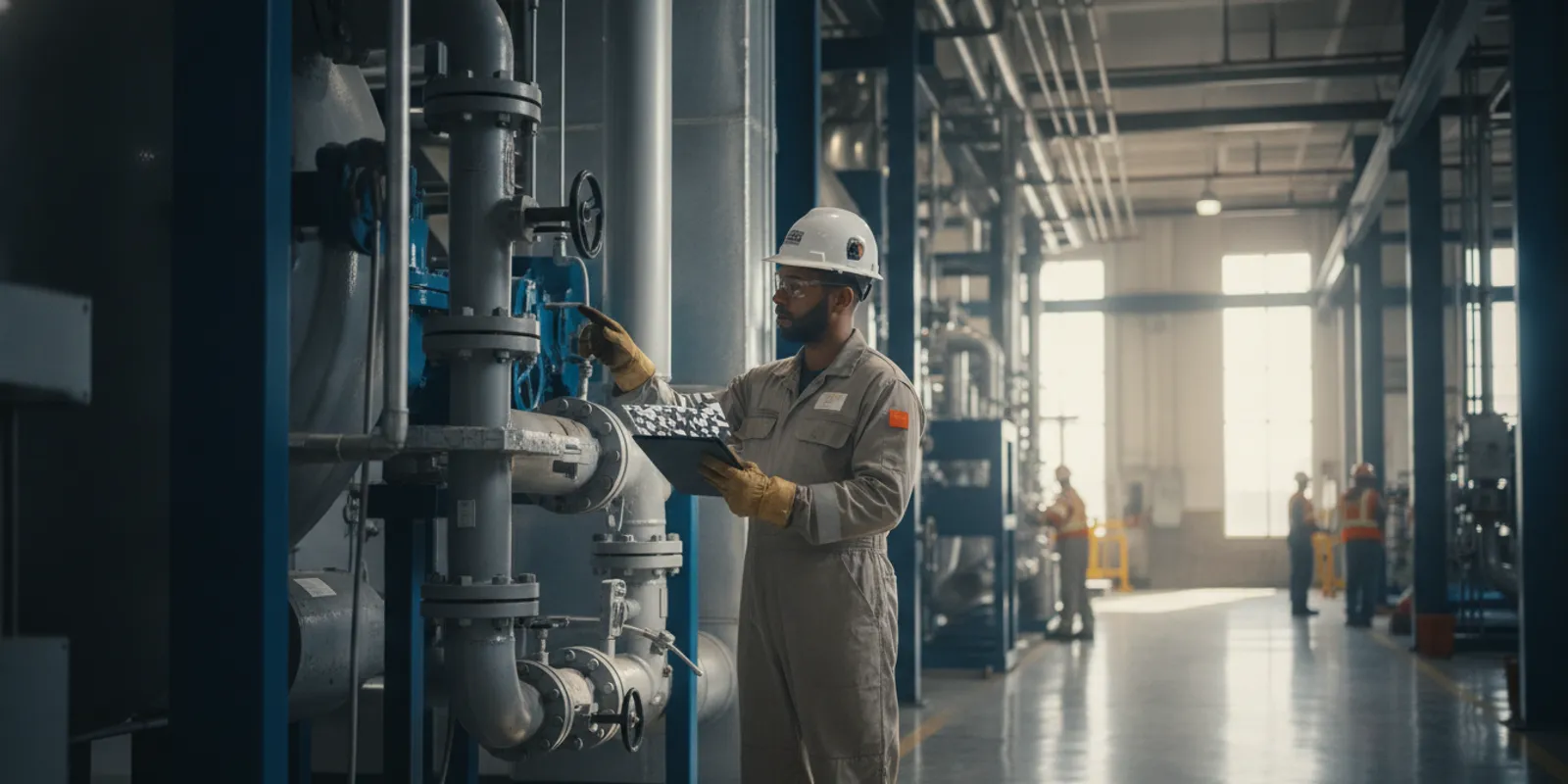
An industrial accident can leave you managing pain, missed work, and uncertainty about who may be responsible. If you are looking for an industrial accident lawyer in Houston, begin with practical priorities: get appropriate care, make an accurate report, and preserve information that could help explain what happened. The answers about responsibility depend on the facts, including who employed you, who controlled the work area, and what task was underway.
What should you do immediately after an industrial accident?
First, address immediate danger and health needs. Move away from an active hazard only if doing so is safe. If someone has a serious injury or needs urgent assistance, contact emergency services. Do not delay needed medical attention while trying to determine fault, coverage, or whether a legal claim may exist.
After immediate needs are addressed, work through these steps where possible. The order can change if there is an ongoing hazard or a medical emergency.
- Get evaluated and follow medical instructions. Tell the treating professional how the event happened, what body parts were affected, and when symptoms began. Keep discharge papers, referrals, prescriptions, restrictions, and appointment information together. If symptoms change, report that to a medical professional. A workplace report does not replace a health history.
- Notify the appropriate workplace contact. Give a factual account to the supervisor or employer contact designated for incident reporting. Ask how to complete the form and how to get a copy. Record when you reported the event, who received it, and what you submitted. If a staffing agency or contractor is involved, note that relationship and ask which entity handles reporting.
- Write down your recollection. Record the date, approximate time, precise location, task underway, equipment involved, and sequence of events. Include conditions you personally noticed, such as a spill, obstruction, missing barrier, warning, or equipment issue. Keep observations separate from guesses about the cause.
- Identify witnesses. Note names and contact details when you can do so appropriately. Record what each person may have seen, without pressuring anyone to agree with you or coordinate accounts.
- Preserve material you already have. Keep photographs, messages, schedules, work orders, and safety notices. Do not alter or delete them. Make a secure backup of digital files if possible.
Prompt, accurate reporting creates a record, but it does not by itself decide legal responsibility, eligibility for benefits, or whether a claim involving another party may be available. If you do not know an answer on a form, identify the uncertainty instead of guessing.
What counts as an industrial accident?
Industrial accidents may happen in manufacturing plants, warehouses, refineries, construction areas, loading zones, and other workplaces where people use machinery, vehicles, chemicals, elevated platforms, or heavy materials. Some are sudden events, such as a fall, collision, or crushing injury. Others involve a failure discovered during a task or an exposure whose symptoms appear later.
The location alone does not establish a legal claim. A review may need to examine what caused the injury, who controlled the equipment or area, what safety steps were used, and the legal relationship between the injured person and each company. A direct employee, staffing-agency worker, subcontractor, delivery driver, or visitor may face different questions despite being hurt at the same site.
Consider a machine-related injury. Relevant questions may include who owned the machine, who maintained it, whether a defect had been reported, and which company assigned the task. After a vehicle incident in a loading area, it may matter who employed the driver and who controlled traffic flow or the property. These are questions to investigate, not conclusions that any party is liable.
How can you make an incident report useful?
A clear report focuses on what happened and what you know. Include the date and approximate time, precise area, task you were performing, equipment or material involved, and the sequence leading to the injury. Describe visible conditions and symptoms in ordinary language. If you did not see the start of the event, say so. If a time or detail is uncertain, call it an estimate.
Before submitting a form, read it carefully. Correct obvious errors through the ordinary workplace process and keep a copy of any correction. Do not guess at technical causes or accept wording that does not reflect your recollection. If you later need to clarify a detail, explain it plainly rather than concealing a difference between accounts.
A report is not a substitute for medical documentation or a complete investigation. It may not include witness accounts, equipment history, camera footage, or the roles of outside companies. Preserve your copy and create a separate timeline while your memory is fresh.
How should you document the scene and preserve evidence?
Worksites change quickly. A spill may be cleaned, equipment repaired, materials moved, and a production area returned to service. Preserve what you can lawfully access and safely observe. Make a list of records that may exist but that you do not control, so the appropriate person can consider preservation or a request.
Photographs, video, and physical conditions
If it is safe and permitted, photograph the scene from several angles. Capture the equipment, floor or ground conditions, lighting, barriers, warning signs, and surrounding layout. Take close views of visible damage and wider views that show context. If visible injuries develop or change, personal photographs may document appearance over time, but they do not replace professional diagnosis or treatment records.
Never enter a restricted or hazardous area to take a picture. Do not interrupt work, handle equipment, or take confidential materials you are not authorized to access. If a camera may have recorded the incident, note its location and approximate field of view. Tell an appropriate workplace contact or seek guidance about preserving the recording; systems may overwrite footage during routine operation.
Messages, work documents, and instructions
Keep copies of the incident report, relevant messages, schedules, work orders, and instructions you already possess. Save original files when possible and create a backup. Note when a record was received and who provided it. Avoid editing a photograph or message in a way that removes context. Do not access an employer’s systems or take proprietary records without permission.
Write a timeline with separate entries for what you observed, what you did, and what another person told you. If memories conflict, preserve the uncertainty rather than forcing a single version. A factual account can be updated as information becomes available.
Medical, wage, and duty records
Keep appointment dates, care instructions, referrals, bills, insurance correspondence, and written work restrictions. If you miss shifts or move to different duties, save schedules, pay records, and written instructions you are allowed to retain. Record symptoms and their timing in a simple log, but do not use a diary as a substitute for reporting a worsening condition to a medical professional.
Organization helps identify gaps. If you have a report but no photographs, or a treatment record but no written restriction, list the missing item and who may have it. Do not assume one document proves the full cause, scope, or value of a claim.
Why does employer status matter under Texas non-subscriber workplace injury law?
Workplace-injury questions in Texas can depend on the employer relationship and the coverage or legal arrangement that applies. A worker may be employed directly, supplied by a staffing company, or assigned by a subcontractor to another company’s facility. The entity controlling a worksite is not always the entity that hired or paid the worker.
For workplace-injury matters, the relevant terminology is Texas non-subscriber workplace injury law. Do not assume every employer has the same status, or that a particular status automatically establishes responsibility. Employer status, the circumstances of the injury, applicable law, and possible defenses require fact-specific review. Dodson Law Firm does not describe its workplace-injury services as workers’ compensation practice.
Gather the employer name shown on pay records, names of staffing or contracting companies, and written information you have about workplace injury coverage. If the identity of your employer is unclear, preserve onboarding documents, pay statements, badges, schedules, and supervisor messages that you already have. Take care before signing a release or giving a recorded statement you do not understand; ask what the document is for and consider legal guidance.
For more context, read the firm’s Texas non-subscriber workplace injury guide and its overview of when to contact a workplace injury attorney. Those general resources do not determine how the rules apply to your situation.
Could a third party have contributed to the accident?
An employer may not be the only party whose conduct warrants examination. Depending on the evidence, a contractor, equipment maintenance provider, product manufacturer, delivery company, or property operator may have played a role. Identifying a possible party is only the beginning. Responsibility depends on evidence and applicable law.
Consider a hypothetical equipment failure. Investigators may ask who owned and maintained the machine, whether anyone documented a defect, what instructions were supplied, and which company controlled the task or area. A malfunction alone does not prove that a manufacturer, employer, or maintenance provider was at fault. Records and witness accounts must be considered together.
At a construction site, several contractors may be present, and their roles may differ. The firm’s discussion of who may be held liable after a construction site accident explains why those roles can matter. Keep names from vehicles, equipment labels, uniforms, delivery paperwork, and work orders when safe. Do not confront a suspected party or conduct an unsafe investigation yourself.
What evidence may help explain what happened?
No single item tells the entire story. Compare evidence types, where each record came from, when it was made, and what it can actually establish.
- Scene records: photographs, measurements, hazard locations, lighting, signs, barriers, and changes made after the event.
- Equipment information: identifying details, instructions, inspection or maintenance history, repair records, and reports of earlier problems, if obtainable through proper channels.
- People and communications: witness names, supervisor directions, incident reports, messages, and statements made close in time to the event.
- Work context: task assignments, training information in your possession, schedules, contractor relationships, and the identity of the employer or site operator.
- Medical records: evaluations, diagnoses, treatment recommendations, restrictions, and documentation of symptoms connected in time to the incident.
Some records are held by an employer, contractor, property operator, insurer, or equipment company. You may not have the right to obtain every record directly. Note what may exist and where it may be held; appropriate legal guidance can address preservation and access. Do not take files or enter a computer system without authorization.
How can you organize evidence without losing context?
A simple system makes it easier to explain what you have and what is missing. Use a folder or binder with separate sections for incident documents, medical records, work records, photographs, and communications. Keep originals unchanged and use copies for notes. For digital files, retain the original file and make a second copy in a secure location.
Name files with a neutral date and description, such as “2026-11-13-loading-area-wide-view.” Do not add conclusions such as “unsafe machine” unless the file itself establishes that fact. Maintain a basic index with the item, date created or received, source, and where the original is stored. If a file is incomplete or its date is uncertain, say so in the index.
Build a timeline with columns for date or approximate time, event, source, and open question. For example, distinguish “I saw a liquid on the floor before the task” from “a coworker later said a container leaked.” The first is a personal observation; the second is another person’s statement. This distinction helps a later reviewer avoid treating a report as proof of something you did not witness.
Preserve versions of forms and communications. If a supervisor asks you to correct a report, keep the original and the corrected copy if permitted. Note the date and reason for the correction. Do not delete a message because it seems inconsistent or embarrassing. A complete record is more useful than a selectively edited one.
How do different industrial accident scenarios change the questions?
The same basic preservation steps apply across incidents, but the evidence to identify may differ. The examples below are not legal conclusions. They show how to make a practical list of questions while leaving responsibility open.
Machinery or equipment incident
Record the machine’s make, model, serial number, location, and visible condition only if doing so is safe and permitted. Note whether guards, controls, or warning labels were present, without touching or testing the equipment. Write down what the machine was doing, what you were instructed to do, and whether anyone mentioned a prior problem. Maintenance logs and repair records may be controlled by another party, so list them as records to preserve rather than trying to obtain them improperly.
Fall, trip, or struck-by event
Describe the surface, elevation, lighting, walkway, obstruction, barrier, and nearby activity. A wide photograph can show the route and surroundings; a close view can capture a specific condition. Include what changed after the event, such as a cleanup or temporary barrier, if you observed it. Do not assume a photograph alone shows how long a condition existed or who knew about it.
Chemical or exposure concern
Prioritize medical evaluation and tell the clinician what substance or process you believe may be involved, while distinguishing known information from a guess. Preserve labels, container details, safety instructions, or task records only if already in your possession or lawfully accessible. Note the time and duration of the task, protective equipment you were assigned, and when symptoms began. Do not handle a suspected substance to identify it.
Vehicle or loading-area incident
Note the vehicles or equipment involved, traffic pattern, loading instructions, sight lines, and any spotter or warning system you observed. Record company names visible on equipment only from a safe place. A delivery log, dispatch record, or camera view may help clarify timing and roles, but those records may be maintained by others.
What should you avoid after an industrial accident?
Small decisions can complicate the factual record. These precautions help keep information clear and protect your safety:
- Do not speculate about fault in a report. Describe what you observed and did.
- Do not post detailed accounts, restricted-area photographs, or opinions about the incident on social media.
- Do not delete messages, images, or records related to the event, even if they seem unimportant.
- Do not alter equipment or ask someone else to move or repair it to change the evidence.
- Do not ignore worsening symptoms or skip appropriate follow-up because a claim is unresolved.
- Do not assume an employer’s or insurer’s explanation answers every question about other potentially involved parties.
- Do not sign a document you do not understand merely because you feel pressured to finish paperwork quickly.
- Do not trespass, enter restricted areas, or take records you are not authorized to access.
Be truthful in every communication. If an early report missed a detail, use the proper process to provide a factual correction and keep a copy. Clear corrections are preferable to allowing a known error to remain unaddressed.
How does an industrial injury relate to a construction accident?
The terms may overlap. A plant or warehouse may be undergoing construction, repair, or maintenance; a construction site may use industrial equipment or operate within an existing facility. The physical setting alone does not determine the legal framework. The work performed, employment relationships, coverage status, and conduct of each participant all matter.
For broader injury information, see the firm’s Houston personal injury information. If construction activity was involved, the firm also describes its construction accident practice. These pages offer general information, not a guarantee that a particular claim qualifies or will succeed.
How can you prepare to speak with a lawyer?
Legal guidance may be useful when an injury is serious, the cause is disputed, several companies were involved, equipment or video may be lost, or you are uncertain about employer status or paperwork. An early conversation can help identify questions and possible preservation steps. It cannot promise a particular outcome.
For a focused first conversation, organize a short timeline and bring or identify the following:
- the date, time, location, and task underway;
- the employer, staffing company, contractor, site operator, and equipment owner names you know;
- the incident report and correspondence about it;
- photographs, witness names, and the location of possible camera footage;
- medical visits, current restrictions, and follow-up recommendations; and
- documents you have been asked to sign or statements you have been asked to provide.
You do not need to solve legal questions before asking for a review. Be candid about uncertainty and facts that may seem unfavorable. Dodson Law Firm serves injured people in Houston and surrounding counties, including Harris, Fort Bend, Brazoria, Galveston, and Montgomery counties. The firm describes personal injury as its primary practice and offers a free case review; confirm the terms of any representation directly.
Where can you find official workplace safety information?
The Occupational Safety and Health Administration provides workplace safety information and Texas area office contact details through its Texas office directory. The directory can help readers find agency contact information, but it does not determine whether an individual has a legal claim, identify a responsible party, or replace medical care or individualized legal advice.
When organizing your questions, keep the distinction between safety reporting and a legal review clear. An agency contact may address workplace safety processes; it does not necessarily collect every record relevant to a private dispute. Write down the date, name, and subject of any agency communication and keep copies of material you submit. Avoid assuming that contacting an agency resolves questions about employer status, third-party conduct, or medical care.
How can a family member help document the event?
A family member may be able to help with practical organization while the injured person focuses on care. With the person’s permission, a relative can keep appointment dates, sort copies into folders, and help make a list of questions. The injured person should review any account before it is shared so that it accurately reflects their experience.
Family members should not guess about symptoms, diagnose an injury, or speak for the injured person without permission. If they witnessed the event, they can write their own recollection separately, noting where they were and what they could see. If they heard details later, identify the source and timing. This preserves the difference between direct observation and information learned afterward.
Practical support can also mean arranging transportation to appointments, helping track written restrictions, and noting when instructions change. Keep personal medical details private and share them only with people who need them for care or an appropriate review. Do not post updates or photographs about the event online without considering privacy and context.
How should you think about timing and changing evidence?
Some evidence is temporary. A scene may be cleaned, equipment returned to use, a witness may leave the job, or routine systems may overwrite footage. That does not mean you should take unsafe or unauthorized action. It means you should promptly write down what you know, identify who may control a record, and ask an appropriate person about preserving it.
Use a short priority list: urgent care first; prompt factual workplace reporting; safe documentation of conditions; preservation of records already in your possession; then questions about records held by others. If you learn that a camera points toward the area, note the camera location and the time period that may matter. If equipment is repaired, record when you learned that and who told you. Avoid presenting an assumption as a confirmed fact.
Timing also matters for your own memory. Write down the sequence as soon as practical, then add later details with their date and source. Do not erase an earlier entry just because you remember something differently later. Add a clarification so the reader can see how the account developed.
How can you compare what each record can show?
Different records answer different questions. A photograph may show a condition at one moment, while a maintenance log may show a recorded inspection. A medical note can document symptoms and care, but it may not identify who controlled a work area. Use records together and avoid asking one item to prove more than it can.
- Incident report: may show when an event was reported and what was recorded at that time; it may omit later medical findings or information about other companies.
- Photograph or video: may show visible conditions or sequence; it may not establish who created a hazard or how long it existed.
- Work order or assignment: may identify the task and instructions; it may not show what happened at the scene unless the record says so.
- Medical record: may document symptoms, evaluation, treatment, and restrictions; it is not necessarily an investigation of workplace responsibility.
- Witness account: may provide another perspective; the person may have seen only part of the event or learned some details later.
When accounts differ, note the difference without accusing anyone of dishonesty. A timing discrepancy may reflect an estimate, limited view, or a later recollection. The useful next step is to identify what is known, what is uncertain, and what additional record could clarify the point.
What questions can help clarify employer and contractor roles?
At a complex site, a badge, uniform, or supervisor’s direction may not fully identify the employment arrangement. Gather what you already have and write down names as they appear on documents. You can then ask focused questions rather than trying to resolve the arrangement from appearances alone.
- Which company appears on pay statements or onboarding documents?
- Was a staffing agency or subcontractor involved in assigning the work?
- Who gave the immediate task instruction, and who supervised the area?
- Who owned or maintained the equipment, if known?
- Which entity received the incident report, and did another company also request one?
These questions help organize a review; they do not establish that any company is legally responsible. A company may control one aspect of a site while another handles hiring, training, maintenance, or reporting. Keep each role distinct until documents or other reliable information clarify it.
The firm’s workplace injury guide for Texas provides related background. For information about how the firm approaches injury matters generally, see its personal injury page. General web information cannot decide how a specific arrangement applies.
How can you prepare a concise timeline?
A useful timeline is specific without pretending to be complete. Start with the shift or assignment, the event, the report, and care received. For each entry, mark whether it comes from your memory, a document, or another person’s statement. Add approximate times where exact times are unavailable.
For example, a neutral entry might read: “About 2 p.m., while moving materials near the west loading area, I slipped. I noticed liquid on the floor before I fell. I told the shift supervisor shortly afterward.” If a coworker later told you a container had leaked, add that as a separate entry and identify the coworker as the source. Avoid adding a conclusion such as “the company knew” unless you have a basis for that statement.
Keep the timeline short enough to review, but link each entry to a supporting record where one exists. A note can refer to a photo, text message, report, appointment paper, or witness name. When a fact is unknown, write “not known” rather than filling the gap with a guess.
When should you ask for a legal review?
You may want to ask for individualized guidance if injuries are serious, treatment is ongoing, the incident report is disputed, several companies were involved, a record may disappear, or you have been asked to sign something you do not understand. The same may be true when you do not know which entity employed you or whether a possible third party played a role.
A first conversation can be more useful when you bring a short chronology and identify the most urgent unanswered question. You can ask who should receive a preservation request, what records are relevant, what employer-status issues need checking, and what additional documents would help. No answer should be treated as a promise about liability or outcome before the facts and applicable law are reviewed.
Contact Us to discuss your situation
What should you remember after an industrial accident?
Prioritize health, make a prompt factual report, document what you can safely observe, and preserve relevant records. Employer status and possible third-party responsibility are fact-dependent, so avoid assumptions and seek guidance when the issues are unclear.
Author Bio
 Wendi Dodson is an experienced attorney and the founding partner of Dodson Law Firm, PLLC, a family law and personal injury firm in Houston, TX. Her practice areas include divorce, child custody, child support, spousal support, property division, and personal injury cases. As a Texas Certified Mediator and graduate of Harvard Law School’s Program on Negotiation, Wendi brings exceptional conflict resolution skills to her practice.
Since graduating Cum Laude from Thurgood Marshall School of Law, she has earned multiple CALI Excellence for the Future Awards, demonstrating her commitment to legal scholarship.
Wendi actively participates in several professional organizations, including the State Bar of Texas and the American Bar Association, reflecting her dedication to ongoing professional growth and community involvement.
Google | State Bar of Texas | LinkedIn | Avvo