Amusement Park Injury Lawyer in Texas: Legal Options After an Injury
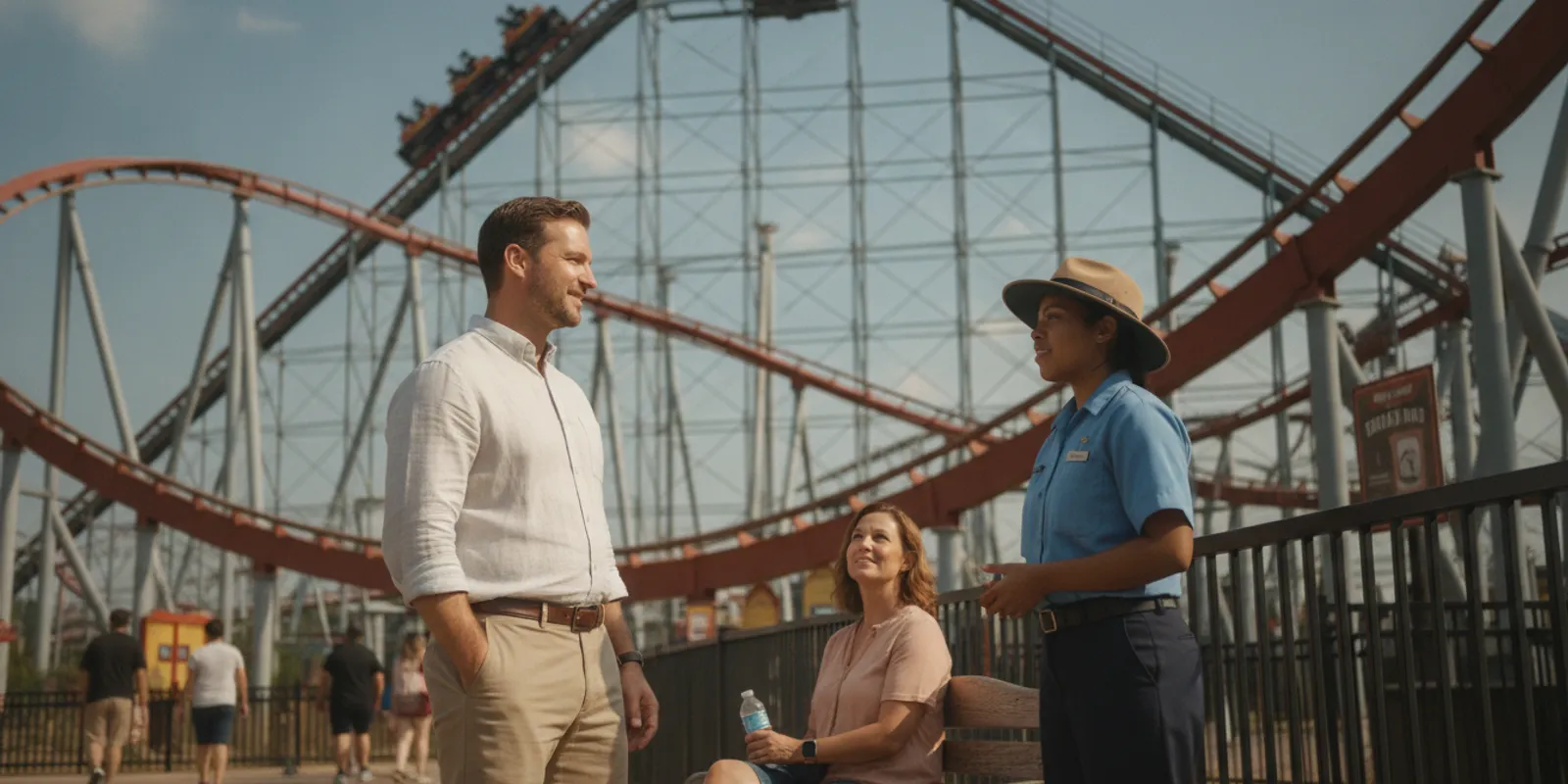
An injury at an amusement park can leave you facing pain, uncertainty, and pressure to explain what happened. If you are looking for an amusement park injury lawyer texas visitors can consult, start by getting medical care and preserving the facts. The cause may involve a ride, a walkway, an instruction, a warning, or more than one factor. A careful review looks at the specific event instead of assuming that an injury alone proves fault.
By Wendi Dodson
This article offers general information, not legal advice. An injury does not by itself establish that a park, ride operator, manufacturer, or another party is legally responsible. Applicable law and available evidence matter. Dodson Law Firm is a Houston-area firm whose primary practice is personal injury; this article does not claim a special amusement-park practice or promise a result.
What should you do immediately after an amusement park injury?
At the scene, your priorities are health, safety, and a clear record. You do not need to decide who is legally at fault before asking for help. If you are with a child or another injured person, make sure that person receives care before trying to investigate the scene. Do not put yourself at risk to photograph equipment or retrieve an item.
- Ask for medical help. Tell a park employee or supervisor if you need onsite assistance or emergency services. Seek prompt evaluation for a head impact, loss of consciousness, severe pain, difficulty breathing, suspected fracture, burn, significant bleeding, or any symptom that concerns you. Tell medical providers what happened and describe symptoms as accurately as you can. Follow their instructions and keep discharge papers, prescriptions, bills, and follow-up details.
- Report the incident. Notify a supervisor or guest-services representative. Ask whether the park creates an incident report and how to get a copy or reference number. Give a factual account. If you do not know how a ride component failed or what caused a fall, say that you do not know rather than guessing. Write down the date, approximate time, employee names, and what staff told you.
- Move to a safe place. If you can do so without worsening an injury, leave the immediate hazard. Do not re-enter a restricted area or attempt to test a ride. If a condition remains dangerous, alert staff so other visitors can be protected.
- Photograph what is visible, if it is safe. Take wide views that show where the incident occurred and close views of the relevant step, surface, restraint, sign, barrier, or object. Include a familiar landmark or ride name so the location can be identified later. Do not edit the original images.
- Ask witnesses for contact information. A person who saw the event may leave before you can find them again. Ask for a name and a way to contact them. Do not coach a witness or ask them to adopt your explanation.
- Keep visit records. Save tickets, wristbands, reservation confirmations, receipts, ride details, photographs, texts, and emails in their original form. Make a separate copy for notes rather than writing on or altering the original.
These steps create a starting record; they do not require you to conduct an investigation while injured. Do not delay necessary treatment to obtain photographs or paperwork. For a general description of the firm’s injury work, see its personal injury services.
How can you make a useful timeline while details are fresh?
Human memory can be incomplete, especially after pain, stress, medication, or a crowded visit. As soon as practical, write down what you remember in your own words. Start with the parts you know directly and mark uncertain details as estimates. A timeline is more useful when it separates observation from conclusion.
Record the date, approximate time, park area, ride or attraction, location within the queue or ride, and who was with you. Note what you were doing immediately before the incident, what you felt or saw, and what happened next. For example, write, “My foot slid on a wet patch near the exit stairs; I saw water on the floor after I fell,” if that is what you personally observed. Do not change it to “the park knew about a dangerous spill” unless you have evidence of prior notice.
For a ride event, record the ride name and, if visible, car, seat, row, or restraint position. Note the instructions given before boarding, whether an employee checked a restraint, and whether anything felt unusual during operation. If you do not recall a seat number, do not guess. A ticket, ride photo, companion’s notes, or park report may help fill in details later.
Make a separate note of the response: who arrived, what assistance was offered, whether the ride stopped, whether the area was closed, and whether staff asked questions or took photographs. Use quotes only when you remember the exact words. Otherwise, summarize the conversation and label it as a recollection. Keep dated additions distinct rather than silently rewriting the first account.
Why does the type and timing of the event matter?
“Amusement park injury” describes a place, not a single cause or legal claim. An injury can happen while a visitor is walking through a queue, boarding, riding, exiting, using a play area, or crossing a public part of the grounds. The facts needed to investigate a fall on a walkway may differ from those needed to assess a restraint that did not hold or an object that struck a visitor.
Break the event into stages. What was the visitor doing immediately before the injury? What physical condition or action preceded it? What happened at the moment of injury? What did staff do afterward? If the injury occurred after exiting, for example, the relevant questions may include the condition of the exit platform, handrail, lighting, step height, instructions, and the way the crowd moved. If it happened during a ride, investigators may need to look at restraints, operating procedures, maintenance, ride data, and the precise movement or failure described.
Timing can help distinguish a sudden condition from one that may have existed for longer. A surface may have become wet moments earlier, or it may show evidence of repeated leakage or prior cleanup. A mechanical component may have failed unexpectedly, or there may be a maintenance history relevant to the failure. Visitors rarely know these facts at the scene. Preserve what you observed and leave conclusions open until more information is available.
Some events may involve several possible explanations. A visitor’s movement, an instruction, a physical condition, the design of a component, and its maintenance may all deserve review. More than one party may have been involved, or the available proof may not establish legal responsibility. An honest review considers evidence that supports and weakens each possible explanation.
When might a property condition raise a premises-liability question?
A premises-liability issue may arise when a condition on property contributes to an injury. In an amusement park, possible examples include a slippery walkway, an uneven path, a loose handrail, a broken step, poor lighting, an unguarded edge, an obstruction in a queue, or a poorly maintained loading area. Naming a hazard does not resolve liability. The analysis may depend on who controlled the area, the visitor’s status, the nature of the condition, notice, warnings, and what safety measures were reasonable under the circumstances.
Control is a practical starting point. The park may own the land but another company might operate a ride, a contractor might perform maintenance, or different teams might handle cleaning and inspections. The person who greeted a visitor or the logo on a sign may not identify every responsible entity. Ride contracts, maintenance agreements, work orders, operating records, and employee assignments can help clarify who had responsibility for a particular location or task.
Notice is another important question. Evidence may show when a hazard appeared, whether anyone reported it, or whether inspections or repairs took place. A spill seen by an employee before the injury is different evidence from a condition that appeared immediately beforehand. A photograph taken after a fall can show what the scene looked like at that moment, but usually cannot establish how long the condition existed or who knew about it.
Warnings and practical safety steps also matter. Investigators may ask whether a sign was visible from the visitor’s approach, whether it described the relevant risk, whether a barrier or cleanup could have addressed it, and whether the warning matched the condition. A sign’s presence does not automatically settle the question; neither does the absence of a sign prove that a party was negligent. The surrounding facts and applicable law must be considered.
For a related overview of property-injury issues, review the firm’s page on premises liability. It is a general resource, not a determination about a particular park incident.
Could the ride, restraint, or another product be involved?
A ride-related injury can raise questions about operation, maintenance, design, manufacture, warnings, or the way a component was used. A restraint that seems loose, for example, could involve a defective part, wear, adjustment, installation, inspection, or a visitor’s position. The initial observation alone may not identify the cause. Technical inspection may be needed, and a part can be changed or repaired after an incident.
Record the ride name, date and approximate time, car or seat information, restraint position, and any visible identification number. Note the instructions given and what the operator did, but distinguish what you saw from what you inferred. If an object, clothing, or personal item was damaged, photograph it and keep it in its current condition if practical. Do not disassemble, repair, test, or discard a component yourself. If park staff take an item, note who took it and what they said would happen to it.
Product questions can involve parties beyond the park. A ride manufacturer, component maker, maintenance provider, installer, or operator may hold records or have relevant responsibilities. The investigation could consider design documents, warnings, inspection logs, repair history, replacement records, operating instructions, and physical testing. Such materials may not be available to a visitor without a formal request or legal process.
A law review article discussing an amusement-park patron’s negligence suit after a fall and knee injury illustrates that ride-related cases can turn on particular facts; it is not a statement of Texas law or a prediction about another visitor’s claim. Read the article, Taking Another Ride on Flopper, as a legal-history reference only. The facts and law in an individual matter must be evaluated separately.
Who might need to be identified and investigated?
There is not always one obvious entity to contact. Depending on the incident, relevant parties may include a landowner, park operator, ride operator, maintenance contractor, cleaning company, equipment manufacturer, or another business. Their roles can overlap. A contractor’s work may be relevant even if the park controlled the visitor area, while a manufacturer’s role may matter only if evidence points to a product problem.
Begin with information a visitor can lawfully and safely obtain: the park’s exact name and location, ticket or reservation information, ride or area name, incident-report number, and names of people who responded. Preserve paperwork that identifies the ticket seller or operating entity, but do not assume that the ticketing company owns or runs the attraction. Business names, ownership, control, and insurance are issues to verify.
For each possible party, ask what connection it had to the specific place, equipment, or task at the time. Who inspected the floor? Who decided when to close a ride? Who trained the operator? Who maintained the restraint? Who received earlier complaints? Those questions are investigative prompts, not accusations. A clear answer may require records held by a company or third party.
Identifying the right party matters because evidence may be divided among organizations. The operator might have video, a contractor might have service records, and a manufacturer might have design documents. A visitor should not try to obtain confidential files by entering restricted areas, impersonating an employee, or pressing staff to disclose private information. A lawyer can assess appropriate requests and legal procedures.
What evidence may help explain what happened?
No single item necessarily proves the full story. A useful record often combines evidence created at different times and from different sources. Keep both the original items and a simple index so a person reviewing them can tell what each one shows.
- Medical information: Keep records of initial evaluation, diagnoses, treatment recommendations, prescriptions, follow-up visits, and bills. Note when symptoms began and when they changed. Medical providers document health concerns; their records may not answer who caused the incident.
- Scene photographs and video: Save original files with their metadata when available. Identify the location and approximate time each image was taken. A wide view can orient a reader; close views can show a surface, sign, broken part, or visible injury. Do not crop or annotate the only copy.
- Park reports and communications: Save incident forms, reference numbers, emails, letters, and text messages. If staff will not provide a report, make a dated note of the request, the person contacted, and the response.
- Witness details: Keep each witness’s name and preferred contact method, along with a short note about what that person says they directly observed. Distinguish an eyewitness account from information someone heard later.
- Visit and ride records: Preserve ticket confirmations, wristbands, receipts, ride photos, reservation details, and relevant app messages. These may help establish when you visited and what ride or area you used.
- Damaged items: Photograph clothing, glasses, mobility aids, or personal equipment if they were affected. Keep them safely rather than cleaning, repairing, or throwing them away before considering whether they may be relevant.
- Daily effects: Keep a dated, factual note of pain, activity limits, missed work, canceled plans, travel for treatment, and help needed at home. Save supporting documents such as work schedules or travel receipts when available.
Use a folder with subfolders such as medical, park communications, photographs, witnesses, and expenses. Name files with the date and a short description, such as “2026-11-06-ride-exit-wide-view.” Maintain a backup in a secure place. Do not alter originals or make a diary entry sound more certain than your memory allows. A simple system reduces the risk of losing records and makes it easier to spot unanswered questions.
A related page about slip-and-fall incidents discusses another kind of injury setting; it does not establish what happened at an amusement park.
How can you ask that video and other records be preserved?
Some organizations routinely overwrite video or replace operational data. If a recording or record could matter, it may be useful to make a prompt, specific written preservation request. Identify the incident date, approximate time range, ride or location, relevant camera views if known, and report number. Include enough detail for the recipient to identify the event. Keep a copy of the request and proof of delivery.
For example, a request about a fall near an exit could identify the attraction, exit platform, approximate 2:10 to 2:30 p.m. time window, and the route from the platform into the walkway. A ride event request could identify the car or row if known and ask that relevant ride operation, inspection, maintenance, and incident records be preserved. If details are uncertain, state that and provide the best information available rather than inventing precision.
A request is not a guarantee that the recipient will retain, disclose, or produce every record. It also does not establish that a record exists. Surveillance may not cover the precise area, may not record audio, or may not show what happened inside a ride. Even when footage exists, it can have blind spots or limited context. Preserve your own account and witness information as well.
Do not access restricted systems or interfere with equipment. Do not assume that a phone recording from a visitor captures the whole event. If the park or another party responds, save the response and note any proposed inspection, release, or deadline. Legal advice can help assess how to make a request and what further steps may be appropriate.
What can evidence show, and what can it leave unresolved?
Evidence is strongest when its limits are understood. A photograph can show the visible condition of a surface, but it may not reveal who created it or how long it was present. A medical note can document reported symptoms and clinical findings, but a provider may not investigate property control. A witness can describe what they saw from a particular location, but may not know what happened outside that view.
Consider a visitor who falls near a ride exit. A close-up showing a wet surface may support that the floor was wet when photographed. A witness may say the water was present before the fall. A maintenance record might show a leak was reported earlier. Each piece adds a different part of the timeline; together, they may raise more focused questions about notice, response, and control. If the photo was taken after staff cleaned the area, it may not show the original condition. The full context matters.
For a restraint incident, a ride photo could help identify a seat, while an incident report could record the operator’s initial description. A later inspection record may show whether a component was repaired or replaced. A visitor’s description of a sudden movement is relevant, but may not explain whether the ride operated outside its normal parameters. Technical evidence and other records may be needed.
Keep conflicting information instead of deleting it. If a report says one time and your memory suggests another, note the difference and see whether a ticket scan, receipt, or witness can clarify it. If a witness gives a different account, record the difference without labeling the person dishonest. A careful chronology acknowledges gaps rather than hiding them.
How can Texas legal issues affect a potential claim?
Several legal questions may matter, but they should not be reduced to a single slogan. A potential claim generally requires evidence about responsibility, a legally recognized injury, and a connection between the conduct or condition and the harm. A visitor may have an injury without enough evidence to establish that another party was legally at fault. Conversely, records that are not visible to a visitor at the scene may later help clarify responsibility.
Texas law can raise questions about comparative responsibility, legal deadlines, the visitor’s status, warnings, and the terms of an agreement. How those rules apply depends on the facts and current law. Do not assume that every visitor’s action defeats a claim, or that another party’s mistake automatically establishes liability. A legal review may need to examine what each person did and what evidence supports the account.
Deadlines deserve attention. The time available to bring a legal action can depend on the claim, parties, and circumstances. Do not rely on an informal conversation with a park or insurer to extend a deadline. If the event involved a child, a public entity, or multiple possible defendants, the timing and applicable procedures may require special review. Seek advice promptly rather than waiting until records or witnesses become harder to locate.
Potential damages also require evidence. Treatment records, bills, work records, and a dated account of daily limitations can help document consequences. A description of pain or lost activities should be honest and specific, not exaggerated. Whether any category of loss is legally recoverable, and how it may be evaluated, is a legal question tied to the case facts.
Keep in mind that one claim may involve several parties and separate insurers. Their interests may not be the same. A claim representative’s questions can be part of an insurance process, but a conversation does not by itself determine fault or the value of a claim.
Do tickets, waivers, or posted rules decide the issue?
Tickets, waivers, ride warnings, height requirements, and safety instructions can be relevant. Preserve the version that applied to your visit, if you have it. Note whether a rule appeared at checkout, in an email, on a sign, or as an instruction from an employee. Different documents may contain different language or apply to different activities.
Do not assume a waiver automatically bars every claim, and do not assume it has no effect. Its wording, presentation, scope, and governing law may matter. A warning can help show that a risk was disclosed, but the question may include whether it addressed the risk that actually occurred and whether the injury stemmed from something different. Likewise, failing to follow an instruction may be relevant without resolving every issue.
If asked to sign an additional form after an injury, read it carefully and request time to review it. Ask for a copy. Do not sign a statement that you believe is inaccurate just to leave the park or receive routine assistance. If you already signed something, keep a copy and make a note of the circumstances. A lawyer can review the actual document; a general online article cannot determine its effect.
How should you handle calls from a park or insurer?
Write down the caller’s name, organization, contact details, date, and stated reason for contacting you. Ask for requests or proposed documents in writing when practical. You can provide basic factual information without speculating about fault, a diagnosis, or details you do not remember. If you are unsure, say so instead of filling in a gap.
Before giving a recorded statement or signing a release, understand who is asking, what the document covers, and whether it relates to medical records, property, a settlement, or another subject. A release may have consequences beyond a simple incident report. Do not treat a deadline imposed by an adjuster as the same thing as a legal deadline, and do not ignore a genuine court document or formal legal notice.
Keep communication calm and consistent. Do not post a detailed theory of fault or private medical information on social media. Avoid deleting posts or messages once a claim is being considered; ask a lawyer how to address online material if you have concerns. Preserve communications from the park, its representatives, and insurers, including attachments and envelopes.
If you need time to review a document, you can ask for it. If you receive a request you do not understand, get advice before responding. A careful response does not require making accusations or accepting a version of events that you cannot verify.
How can you organize the next steps?
A short action plan can help make a stressful situation more manageable. Adjust the order to your health and circumstances.
- Address care first. Follow medical instructions and seek additional evaluation if symptoms change or worsen. Keep the records associated with each visit.
- Write a factual chronology. Record the visit, ride or area, instructions, event, immediate response, and care. Mark uncertain details as estimates and date any later additions.
- Preserve original material. Save photos, video, tickets, messages, reports, receipts, and damaged items. Create a backup and do not edit the only copy.
- Identify witnesses. Note names and contact information, and distinguish what each person personally observed from what they heard later.
- List missing information. Write down questions about video, ride identity, inspection, maintenance, area control, and earlier reports. This helps focus any request or legal review.
- Calendar communications and dates. Keep letters and emails together, record response dates, and do not assume an insurance discussion changes a legal deadline.
- Ask for a case review if appropriate. Share what you know, what you do not know, and the documents you have. Ask what facts or records would be needed to evaluate the situation.
Dodson Law Firm serves injured people in the Houston area, including people in Harris, Fort Bend, Brazoria, Galveston, and Montgomery counties. Its general services overview describes the firm’s practice areas. Neither an inquiry nor an investigation guarantees that a claim can be brought or that compensation will be recovered.
When should you contact an amusement park injury lawyer in Texas?
You may want legal guidance if the injury required medical treatment, the cause is disputed, a ride or safety component may have failed, a park will not share basic incident information, or someone asks you to give a recorded statement or sign a release. A prompt discussion can help identify records that should be preserved and parties whose roles need investigation. It does not mean a claim will succeed or that a particular party is responsible.
Before a conversation, gather a concise timeline, the incident report or reference number, photographs, witness details, medical paperwork, tickets, and communications. You do not need a complete file. Include unanswered questions and explain which details are uncertain. A lawyer can ask follow-up questions and advise whether more information is needed.
Useful questions include: What legal theories could fit these facts? Who may have controlled the area or equipment? What evidence should be preserved now? Are there deadlines or notice requirements to consider? What would an investigation involve? How are legal fees and costs handled in this particular matter? Do not assume that an injury fee arrangement applies to a family, business, or mediation matter; discuss the actual written terms for the service you are considering.
Dodson Law Firm provides a free case review for personal injury matters and its injury pages describe a no-fee-unless-successful-recovery arrangement. Ask how the terms apply to your situation and review any agreement carefully. The firm’s information does not guarantee representation, a recovery, or a particular outcome.
Contact Dodson Law Firm about your situation
Common questions after an amusement park injury
Should I report an injury even if I do not know the cause?
You can report what happened without deciding why it happened. Describe what you saw, felt, and did, and identify any uncertainty. Ask for a report number or a record of the report. A factual report may help preserve the timing of the event, but it does not itself decide legal responsibility.
What if I felt fine at the park but developed symptoms later?
Seek medical advice if symptoms arise or change, and tell the provider when they began and what event preceded them. Keep a dated note of the symptoms and any care. Do not invent a diagnosis or minimize a concern because it was not obvious at the scene. A later symptom does not by itself prove its cause, so accurate medical and incident details matter.
Does a ride ticket or waiver automatically prevent a claim?
Not necessarily. The document’s text, scope, presentation, facts of the incident, and applicable law may all matter. Keep the ticket, waiver, or electronic confirmation and ask a lawyer to review the actual language. A general article cannot determine whether a particular term is enforceable or how it affects a claim.
What if I did not take pictures or get witness names?
Preserve what you do have. Write down the location, approximate time, people you remember, staff response, and any details that could help identify witnesses or records. Save tickets, messages, and medical paperwork. A missing photograph does not answer every question; other records or witnesses may still provide useful information.
Can I tell from the injury alone who was responsible?
No. An injury can result from different conditions and actions, and the legal responsibility may depend on control, notice, operation, maintenance, warnings, product issues, and other facts. Investigation may identify a responsible party, several parties, or insufficient evidence for a claim. Avoid treating a plausible explanation as a proven conclusion.
Taking care of your health, keeping an accurate record, and asking focused questions can help clarify what happened and support an informed decision about possible next steps.
Author Bio
 Wendi Dodson is an experienced attorney and the founding partner of Dodson Law Firm, PLLC, a family law and personal injury firm in Houston, TX. Her practice areas include divorce, child custody, child support, spousal support, property division, and personal injury cases. As a Texas Certified Mediator and graduate of Harvard Law School’s Program on Negotiation, Wendi brings exceptional conflict resolution skills to her practice.
Since graduating Cum Laude from Thurgood Marshall School of Law, she has earned multiple CALI Excellence for the Future Awards, demonstrating her commitment to legal scholarship.
Wendi actively participates in several professional organizations, including the State Bar of Texas and the American Bar Association, reflecting her dedication to ongoing professional growth and community involvement.
Google | State Bar of Texas | LinkedIn | Avvo