Wrongful Death Beneficiaries in Texas
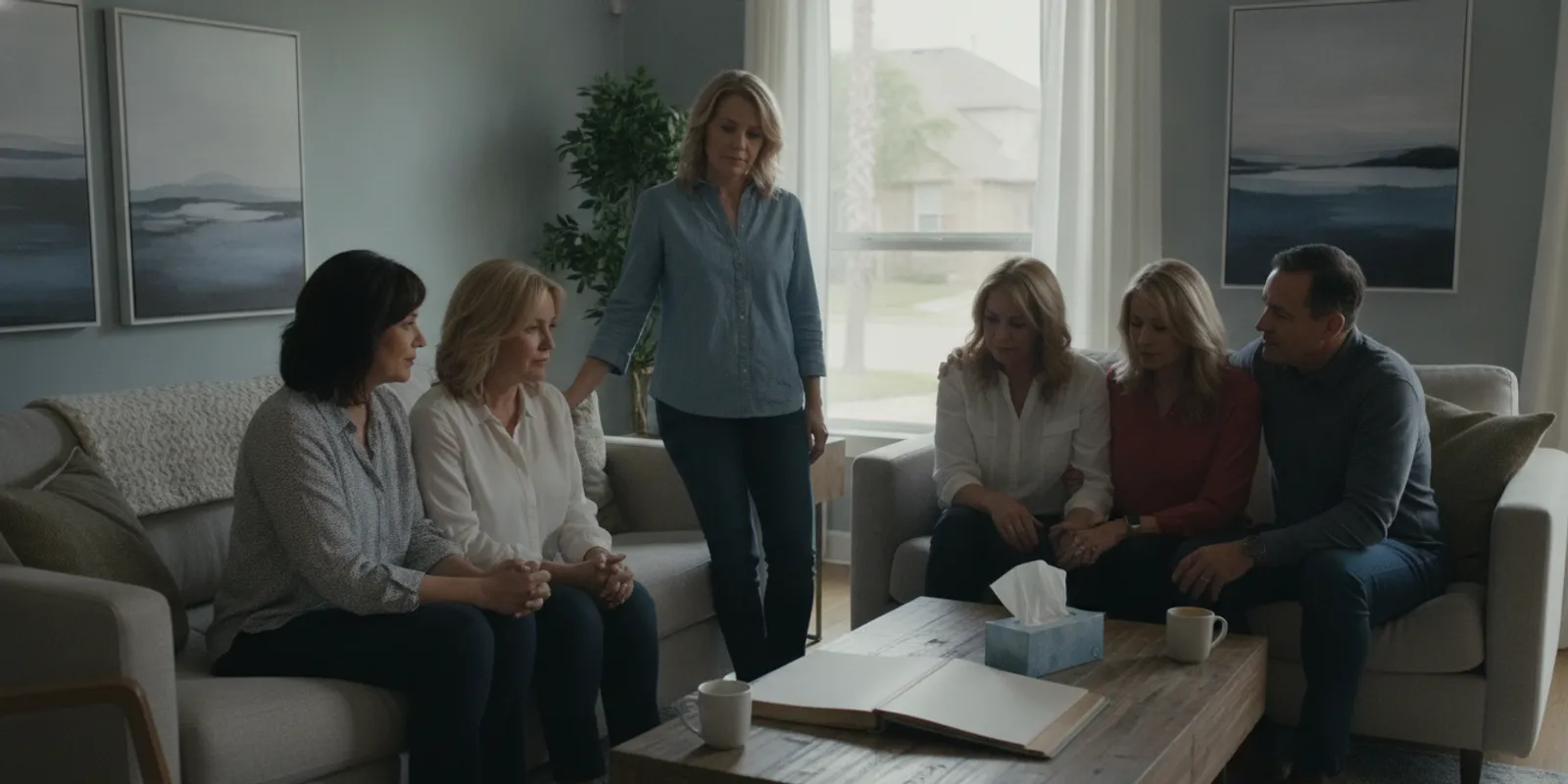
Understanding wrongful death beneficiaries in Texas can help a family identify who may have a legal right to bring a claim after a person’s death. Texas law names specific relatives, but family structures and legal records can complicate the answer. The starting categories are a surviving spouse, children, and parents; a person should not assume eligibility or an outcome without reviewing the circumstances.
By Wendi R. Bailes-Dodson
Who can be a wrongful death beneficiary under Texas law?
Texas law identifies the deceased person’s surviving spouse, children, and parents as the relatives who may bring a wrongful death action. The categories come from statute. They do not automatically extend to every person who was part of the deceased person’s life or who experienced a serious loss. A sibling, grandparent, fiancé, unmarried partner, or close friend does not become a statutory beneficiary solely because of emotional closeness, financial dependence, or the care they provided.
The legal relationship matters, not only the name a family uses for it. A person may have been called a child or parent in everyday life, while the legal record raises a question about parentage or adoption. A couple may have been separated or living apart, but the exact status of a marriage can still matter. Those questions are fact-specific. Do not rely on assumptions, a family tree alone, or the wording on an informal document to decide who has a right to act.
The governing source is Chapter 71 of the Texas Civil Practice and Remedies Code. The Texas Legislature’s website provides access to state legislative information; the statute itself should be reviewed in its current form. The law supplies the framework, but applying it to a particular family calls for attention to the relevant legal relationships and procedural posture.
Can more than one family member qualify?
Yes. More than one person may fall within the statutory categories in the same situation. A deceased person may have a spouse and children, children from different relationships, one or both surviving parents, or another combination of spouse, children, and parents. A single relative’s role as the first person to contact a lawyer or insurer does not by itself establish that person as the only potential beneficiary.
For example, an adult child may be the person handling immediate arrangements, while a surviving spouse and the deceased person’s other children are also part of the family picture. In another family, the deceased may have minor children who live with a different parent. In each situation, the list of possible beneficiaries and the practical arrangements for communicating with them may differ. The family should not assume one person’s availability, age, or willingness to participate eliminates the need to consider the others.
Texas law provides a process for eligible beneficiaries to bring an action. It also addresses circumstances in which an executor or administrator may bring an action if no beneficiary files within the period specified by the statute. That procedural possibility does not make the estate representative the sole beneficiary or erase eligible relatives’ interests. It is one reason to review the statute and the particular case early rather than wait for a family dispute or an insurer’s deadline to drive decisions.
What family relationships need a closer legal review?
Some family situations are straightforward on paper. Others involve a marriage, adoption, parentage, or court history that a family member may not know in full. A careful review is especially useful when there are children from prior relationships, an adoption, disputed or incomplete parentage records, a marriage that ended or was in the process of ending, or a relative who has been estranged. These details are not a reason to reach a quick conclusion. They are signals to gather records and ask how the statute applies.
Children, including adult children and children from prior relationships
Do not assume that only minor children could be considered. Adult children may also be within the statutory category. Likewise, a child from a prior relationship should not be left off the initial list merely because the child lived elsewhere or had limited contact. The legal question is not simply where the child lived or how often the child visited. Gather available birth, adoption, parentage, and court records, then have the relevant facts reviewed.
If a child is a minor, there may be additional practical questions about who can communicate or act for the child and how a proposed resolution would be handled. A parent’s involvement does not necessarily mean that parent has a personal beneficiary claim in place of the child. The adult’s role and the child’s potential legal interest should be kept distinct, and the family should obtain advice before signing documents that purport to address a minor’s interests.
Adoption and parentage history
Adoption can affect the legal relationship between a child and parents for purposes of a claim. Parentage may also be established or addressed through records or court proceedings that are not immediately available to every relative. Avoid drawing a legal conclusion from a family story, a name on a keepsake, or the absence of a document in the home. An adoption order, birth record, parentage order, or other court record may help clarify the relationship, although an attorney should identify which records are relevant and what the law says about them.
Marriage, separation, and blended families
A separation, a new relationship, or a blended household may lead relatives to use different labels for a spouse or partner. Those labels do not settle legal status. Locate available marriage records and any divorce or other court papers, but do not assume that living apart, making a verbal agreement, or beginning a divorce process necessarily answers the statutory question. In a blended family, list every person who might fall in a category before deciding how the claim should be coordinated.
Are siblings, partners, or other relatives beneficiaries?
Not merely because they are close relatives or depended on the deceased. Texas’s wrongful death beneficiary categories are specific. A sibling, grandparent, aunt, uncle, cousin, fiancé, unmarried partner, or friend generally is not included simply by virtue of that relationship. A person may still have an important role as a witness, source of information, caregiver, or support for the family, but that role is different from being a statutory wrongful death beneficiary.
It is also important not to confuse the possible beneficiary list with the list of people affected by a death. Many people can experience loss, and several relatives may help with immediate responsibilities. The legal claim does not automatically extend to every person with a meaningful connection. Conversely, an eligible relative should not assume that limited contact, geographic distance, or adult status necessarily answers the legal question against them.
Where a relative’s status is uncertain, write down the relationship and the facts that might matter instead of resolving the issue by consensus or family custom. For example: Was there a formal adoption? Is there a court order concerning parentage? Was there a marriage that had not formally ended? The point of the list is to make an informed review possible, not to make a family member prove a claim at the dinner table.
A useful first-pass family map can have three columns: person’s name, relationship to the deceased, and information that needs confirmation. The map is not a legal ruling and should not be circulated as if it is one. Its purpose is to keep a potentially relevant person from being omitted while records are gathered. If there is uncertainty, label it as uncertainty and note the source of the question. For instance, “relative recalls an adoption” is different from “adoption order located and provided for review.”
Families sometimes ask whether a person who was financially dependent on the deceased can qualify even if that person is not a spouse, child, or parent. Financial dependence may be an important life fact, and it can be relevant to questions about the loss or other legal issues, but it does not by itself add a new category to the statutory list. Similarly, sharing a home or having a long-term relationship does not automatically substitute for a legally recognized relationship. The answer to the threshold question comes from the law and the person’s legal status, not from how deserving or close the relationship seems.
Another common confusion is whether a will controls who may bring a wrongful death claim. A will can be important to estate administration and the distribution of estate property, but that is a different question from identifying statutory wrongful death beneficiaries. Do not assume that naming one relative as executor in a will makes that person the only possible beneficiary. The estate document should be reviewed for its role, alongside the separate family and relationship facts.
Finally, families should not let unfamiliar legal vocabulary hide the practical question. Ask counsel to explain the difference between “beneficiary,” “estate representative,” and a person authorized to act for a minor, using the family’s actual facts. The same individual could hold more than one role, but one role does not automatically prove another. A written list of each role, the person who may hold it, and the record supporting it can help relatives discuss next steps more accurately.
How are beneficiary rights different from estate rights?
A wrongful death claim and a survival claim are related concepts, but they are not the same claim. A wrongful death claim concerns legally recognized harm suffered by eligible family members because of the death. A survival claim concerns a claim the deceased person could have pursued if they had lived; it is pursued through the estate’s representative under applicable law. The claims may arise from the same event, but they concern different legal interests and may involve different people, evidence, and damages.
That distinction helps explain why the person who is authorized to handle an estate is not automatically the only person with a potential wrongful death claim. An executor or administrator’s estate role is separate from a relative’s own status as a possible statutory beneficiary. Likewise, a person who may be eligible as a beneficiary is not necessarily the estate’s representative. A family should ask counsel to identify each claim, who may bring it, and who has authority to make decisions for each interest.
Probate papers, a will, or an estate appointment can be relevant to authority over the estate. They do not necessarily answer every question about a wrongful death claim. If an estate has not yet been opened, that fact alone should not be treated as an answer about whether eligible relatives may have rights. Keep estate documents separate from relationship records and ask specifically how the two legal processes interact in the family’s circumstances.
These distinctions can matter when an insurer sends a release or settlement proposal. A document might address one claim, several claims, or a particular person’s interests. Do not assume that a settlement offer to one relative resolves all potential claims, or that a payment to the estate automatically resolves an individual beneficiary’s claim. Ask which claims and people the document covers before signing or authorizing anyone else to sign.
What does it mean to coordinate a claim with other relatives?
When several people may qualify, a family may need to coordinate communications and decisions without treating one relative as the spokesperson for everyone. It can be useful to identify a point of contact for collecting basic records, but that practical role should not be confused with authority to make legal decisions on behalf of other adults. Each possible beneficiary may have separate interests, questions, and choices.
Coordination can be difficult during grief. Some relatives may want to act quickly, while others may need time or may be hard to reach. Disagreements can arise about whether to pursue a case, how much information to share, who should communicate with an insurer, or whether an offer should be considered. A clear process for routing documents and questions can reduce confusion. It cannot substitute for individual legal advice where interests differ.
Consider keeping a simple contact and document log. Note each possible beneficiary’s name and relationship, the best way to reach them, the date a document was received, who received it, and any response deadline printed on it. Do not put sensitive personal information into a group email or shared folder without considering privacy. If a relative does not respond, preserve the attempt and ask a lawyer what steps are appropriate rather than treating silence as consent.
Before a family member signs a release, authorization, or representation agreement, that person should understand what the document does and whose interests it covers. Do not pressure another relative to sign because someone believes the matter is routine. If the legal interests are not aligned, separate counsel or another process for addressing the conflict may be appropriate. A lawyer can explain options based on the specific facts.
Consider a blended-family example. A deceased parent has a surviving spouse, an adult child who lives nearby, and another adult child who lives out of state. The nearby child may be best placed to collect mail and records, but that convenience does not establish authority over the other adult child’s personal decisions. The out-of-state relative may need to receive copies directly and have a chance to ask questions. A practical plan can name one person to gather documents while making clear that each adult retains their own decisions and communications.
In another example, a surviving parent is handling matters for a minor child while also coping with the parent’s own loss. These roles can overlap in daily life, yet the child’s interests and the adult’s interests should not be treated as identical without review. The family can identify who is responsible for routine communications, preserve court or guardianship-related paperwork if it exists, and ask a lawyer how any proposed action involving the child should be handled. Avoid signing a document for a minor simply because it was sent to the adult household member.
A third situation involves disagreement between a relative who wants to respond immediately and one who wants more information first. Rather than using a family group chat to pressure a decision, the relatives can make a list of the precise questions, share the actual document, and set a time to seek legal guidance. A neutral explanation of the document and each person’s role can help separate urgent factual tasks from decisions that require individual agreement or authority.
What information and records should a family collect?
Organize the information that may help answer two different questions: who may qualify, and what happened. A complete record set is rarely available at the outset. Families can begin with what they have, make a list of what is missing, and avoid altering original materials.
- Relationship information: List the surviving spouse, children, and parents, including adult children and children from prior relationships. Note any adoption, parentage, marriage, separation, or court history that may need review.
- Available legal records: Set aside marriage certificates, birth records, adoption orders, parentage orders, divorce papers, and estate appointment documents if accessible. Do not delay a first legal conversation while waiting to obtain every record.
- Event information: Preserve incident or crash reports, medical records, photographs, names and contact details for witnesses, and communications from a business, insurer, or other involved party. The relevant material depends on how the death occurred.
- Time-sensitive communications: Save letters, email, text messages, claim forms, and any document that asks for a response or signature. Record the date it arrived and do not assume that a short response period is the same as a lawsuit deadline.
- Estate information: Keep a copy of a will, probate filing, or appointment order if one exists, and identify who is serving as executor or administrator. These materials may clarify estate authority without deciding beneficiary eligibility.
Use a factual chronology rather than trying to write a legal argument. Record dates, locations, who was present, what each person observed, and where a record came from. Mark what is firsthand knowledge and what someone else reported. Avoid filling gaps with guesses. A clear distinction between known facts and open questions helps a lawyer assess what should be confirmed.
For example, instead of writing, “The company knew the area was dangerous,” record the exact observations behind that concern: a family member remembers seeing a wet floor, a warning sign, or a repair being discussed, and note when and where the observation occurred. If another person supplied the information, record that person’s name and when the conversation took place. A factual account helps identify what needs checking without turning a memory into a conclusion about fault.
Use a basic inventory with separate categories for originals and copies. Keep paper records in a safe place and retain digital copies in a folder with clear filenames, such as the date and sender. Avoid editing an original photograph or message to add notes; keep explanatory notes separately. If a file cannot be opened or an attachment is missing, record that problem rather than recreating what you think it contained. These habits can make later review more accurate.
When family members have different recollections, preserve each account separately. Do not rewrite one person’s statement to make it sound consistent with another’s. Differences can arise because people were in different places or learned facts at different times. A lawyer can ask follow-up questions and determine whether the discrepancy matters. A shared chronology should mark the source of each entry, not erase uncertainty.
If the death involved a vehicle collision, relevant materials may include crash-scene photographs, vehicle or roadway information, and witness details. A workplace, premises, or other incident may call for different records. Do not trespass, confront a potentially responsible person, or try to obtain restricted information. Preserve what is lawfully available and ask counsel what additional steps may be suitable.
What can beneficiary status establish, and what does it not establish?
Being within a statutory category does not by itself prove that another person or entity is legally responsible for the death. It does not guarantee compensation, establish the value of a claim, or resolve what evidence is admissible. A potential claimant must still have a legally supportable claim based on the conduct and facts at issue, and the applicable legal requirements must be evaluated.
A wrongful death case may require evidence connecting an actionable wrongful act, neglect, carelessness, unskillfulness, or default to the death, as well as evidence of legally recognized harm. The exact issues depend on the circumstances and the law. A family should not assume that a tragic outcome alone proves fault, or that a lack of an immediate citation, report, or admission ends the inquiry.
Different event types call for different factual investigations. In a vehicle case, timing, roadway conditions, vehicle damage, and witness accounts may matter. In a premises incident, the location and condition of the property and the timing of notice may be relevant. In a workplace incident, the employment relationship and the circumstances of the event may need careful analysis under the applicable law. These are examples of questions, not conclusions about any particular case.
Family members can help by preserving relevant information and avoiding public speculation about fault. Keep original photographs and messages where possible. Do not edit images, delete conversations, or post private case materials online. If someone calls seeking a recorded statement or signature, note who contacted the family and ask for time to understand the request. A lawyer can explain what response, if any, is appropriate.
What deadlines should possible beneficiaries consider?
Texas civil claims are subject to deadlines, and the applicable limitations period can depend on the claim and its circumstances. Chapter 71 includes a limitations provision for wrongful death actions. Other rules or facts may affect an individual case, so a family should not calculate a filing deadline from a general article or assume that a conversation with an insurer pauses a legal deadline.
Additional timing issues may arise where a possible claimant is a minor, a government entity may be involved, notice rules apply, or other special facts exist. The point is not that every case has the same exception or deadline. It is that the relevant facts should be reviewed promptly, particularly if there is uncertainty about who may bring a claim or who has authority to act.
Make a short list of dates and events: the date of death, the date and location of the incident, dates of communications, and any date printed on a notice or document. Share the original documents with a lawyer. Do not wait for relatives to agree on every detail, for an estate matter to finish, or for an insurer to make a final decision before asking what time limits may apply.
If the family is unsure whether the matter is urgent, treat that uncertainty as a reason to seek prompt legal guidance rather than as reassurance. A deadline may be affected by facts that are not obvious to the family. A lawyer can identify what needs immediate attention, whether more records are needed, and which people should be included in the discussion.
How can families prepare for an initial legal conversation?
A first conversation is more useful when the family can explain what is known, what remains uncertain, and which documents are already available. It is not necessary to have a complete case file. A concise outline can keep the discussion focused and help identify urgent follow-up steps.
- Write down the basic event facts. Include when and where the death occurred, what the family understands about the event, and which facts come from firsthand knowledge.
- List possible relatives in the statutory categories. Include a surviving spouse, all children, and surviving parents as applicable. Flag uncertain relationships rather than silently excluding someone.
- Identify estate status. Note whether there is a will, a probate filing, or an appointed executor or administrator, and who has copies of those documents.
- Bring time-sensitive paperwork. Include insurer letters, releases, notices, claim forms, and requests for recorded statements. Point out any date or requested action.
- Ask about missing evidence. Identify records the family has requested, information that may be held by another person or organization, and any material that could be lost over time.
- Clarify who is speaking for whom. Explain which relatives are available, whether anyone has a separate lawyer, and whether there is disagreement about next steps.
Useful questions include: Which relatives may fit the statutory categories based on what we know? Are there relationship records we should obtain? Could a survival claim or estate issue also be involved? What deadlines or notices need immediate attention? What should we do with an insurer’s request? If several relatives may have interests, how will their questions and information be handled? What facts remain too uncertain to reach a conclusion?
Families should also ask how a lawyer will communicate about the matter and what decisions require each person’s own input. If someone is a minor or an adult has a possible conflict of interest, say so early. Do not assume that a relative who gathered documents has authority to make legal choices for everyone. Written clarity about roles can prevent misunderstandings later.
It can help to separate questions into three groups before the conversation. First are identity questions: which relatives may be within the statutory categories, and which relationship records could resolve uncertainty? Second are case questions: what is known about the event, what evidence may exist, and what facts have not been confirmed? Third are decision questions: who is considering representation, who may act for an estate, and whether any relative has received a proposed release or request. This structure keeps a meeting from becoming a debate about every issue at once.
Make a note of answers that are provisional. If a lawyer says a conclusion depends on a missing adoption order, marriage record, or incident report, write down the document and who will try to obtain it. Do not turn a preliminary assessment into a promise that someone qualifies or that the claim will succeed. The goal is to understand the next step and the uncertainty that remains. After the discussion, the family can check that it has the right copy of any document and knows whom to contact with a new notice or significant fact.
If relatives are speaking with different lawyers, tell each lawyer about the other representation. Do not forward confidential legal advice to a large family group without asking whether that is appropriate. Families can coordinate the factual materials they share, but legal advice may be personal to the client who received it. Clarifying who the lawyer represents—and who is not a client—helps everyone avoid assuming that one person’s conversation automatically provides advice to the whole family.
What should relatives avoid doing while the questions are unresolved?
Small choices made under pressure can create confusion later. A family does not need to freeze all communication, but it should avoid treating informal conversations as a substitute for understanding documents and rights.
- Do not sign an unfamiliar release on the spot. Ask for a complete copy and time to review what claims and people it covers. A signature may have consequences beyond receiving a check.
- Do not speak for every relative without permission. A family spokesperson may help with logistics, but should not imply that all possible beneficiaries agree or have authorized a legal decision.
- Do not assume an insurer has identified everyone. An insurer’s communication may address a particular person or claim. Ask what the document concerns and obtain advice before relying on it.
- Do not post private materials or theories publicly. Online comments, photographs, and speculation can be difficult to retract. Keep sensitive information within appropriate conversations.
- Do not discard original records. Preserve messages, letters, photographs, and documents in their original form when possible. Keep a copy and note where it came from.
- Do not let family disagreement obscure deadlines. A dispute about who should lead is separate from the need to learn what time limits may apply.
These are practical precautions, not legal conclusions about what a particular person must do. The right response can vary with the request and the circumstances. If a family has already signed a document, made a statement, or missed a requested date, keep a copy and explain exactly what happened when seeking advice. Do not conceal it or assume the issue cannot be addressed.
How do potential claims and any resolution affect each other?
When a death may lead to both wrongful death and estate-related claims, a proposed resolution should be read with attention to its scope. Ask which claim it resolves, which people it binds, whether it addresses an estate claim, and whether any person is signing in a representative capacity. The title of a document or the name on a payment does not necessarily explain all of its legal effect.
A family should also distinguish the process of gathering information from a decision to accept a particular resolution. A conversation about a case does not require anyone to promise that a claim will be filed or that a particular result will follow. The facts, applicable law, evidence, and individual interests all matter. No general article can predict a case outcome or determine what a particular family should accept.
Where beneficiaries have different views, communicate respectfully and get advice about the choices available to each person. A proposed agreement may affect people in different ways. Do not treat family consensus as a substitute for understanding the legal rights and authority involved. Similarly, one person’s disagreement does not automatically tell the others what they may do. The procedure must be assessed under the statute and the facts.
Where can Houston-area families learn more?
Families in Houston and Harris, Fort Bend, Brazoria, Galveston, and Montgomery counties may be managing grief, practical arrangements, and legal uncertainty at once. A focused review can help identify possible statutory claimants, distinguish personal claims from estate claims, organize records, and flag timing questions. The answer depends on each family’s records and circumstances; an initial discussion cannot guarantee that a claim may be brought or that compensation will be recovered.
For related information, review the firm’s page about wrongful death representation and its article on wrongful death lawsuit damages in Texas. These pages provide general information about related topics; they do not determine who qualifies in an individual matter. The firm’s personal injury practice page offers additional context about its injury work. For other types of legal matters, see the firm’s broader services overview.
This article provides general information, not legal advice, and does not create an attorney-client relationship. Texas law and the facts of each matter govern; consult a lawyer about your specific circumstances.
Author Bio
 Wendi Dodson is an experienced attorney and the founding partner of Dodson Law Firm, PLLC, a family law and personal injury firm in Houston, TX. Her practice areas include divorce, child custody, child support, spousal support, property division, and personal injury cases. As a Texas Certified Mediator and graduate of Harvard Law School’s Program on Negotiation, Wendi brings exceptional conflict resolution skills to her practice.
Since graduating Cum Laude from Thurgood Marshall School of Law, she has earned multiple CALI Excellence for the Future Awards, demonstrating her commitment to legal scholarship.
Wendi actively participates in several professional organizations, including the State Bar of Texas and the American Bar Association, reflecting her dedication to ongoing professional growth and community involvement.
Google | State Bar of Texas | LinkedIn | Avvo