What to Do After a Truck Accident in Texas
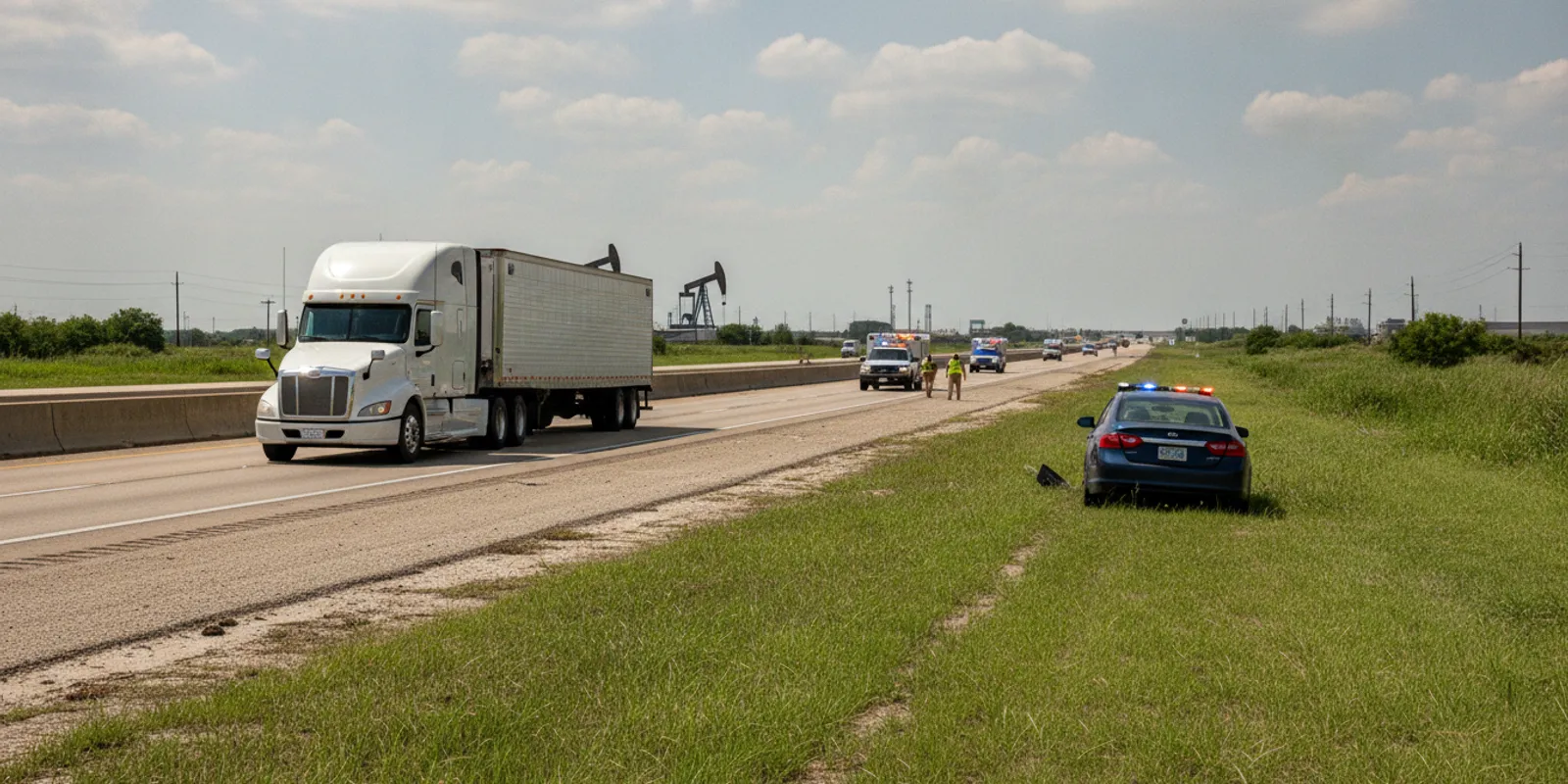
If you are asking what to do after a truck accident, start with safety and medical care. A collision involving a commercial truck can leave people injured, traffic blocked, and important details scattered across several vehicles and witnesses. You do not have to solve every insurance or legal question at the scene. Focus on immediate needs, report what happened, and preserve information when it is safe to do so.
Request a truck crash case review
By Wendi R. Bailes-Dodson
This article offers general information about Texas truck crashes, not advice for a particular case. The right next step depends on the people involved, the location, the injuries, and the available evidence. An inquiry to a law firm does not by itself create an attorney-client relationship.
What should you do first at the scene?
Take the situation in order. An injured person may need urgent care before anyone can gather photographs or exchange insurance information. A truck or its cargo may also create hazards beyond the original impact. Keep yourself and others out of danger while calling for help.
- Move to safety if you can do so without increasing risk. If your vehicle can be moved and it is safe to move it, get out of active traffic. Turn on hazard lights. Do not stand between vehicles or walk into a travel lane to inspect damage. If a vehicle is disabled, stay in a protected place away from traffic while waiting for help, when possible.
- Call 911 when anyone may be injured or there is a hazard. Report the crash location as clearly as you can, including a nearby exit, cross street, direction of travel, or mile marker. Tell the dispatcher if a lane is blocked, a vehicle is unstable, fuel or other material is leaking, or there is a fire risk.
- Check on people only when it is safe. Do not put yourself in traffic or approach a truck with a dangerous spill, smoke, shifting load, or other hazard. Unless there is an immediate danger that requires moving someone, avoid moving an injured person. Follow the emergency operator’s directions.
- Wait for responders and follow their instructions. Give a clear account of what you personally observed. If you do not know an answer, say so rather than guessing about speed, distance, or the cause.
A collision can look minor and still cause an injury that is not obvious at the roadside. Conversely, property damage alone does not tell you who was legally responsible. Avoid making a rushed decision about fault or injury while you are shaken. The first goal is safety; the next is getting an appropriate medical assessment.
When should you get medical care?
Seek emergency care for urgent symptoms, including difficulty breathing, severe bleeding, loss of consciousness, serious pain, weakness, confusion, or suspected head, neck, or back injury. Call emergency services rather than driving yourself if your condition could make travel unsafe. If symptoms seem less urgent, contact a medical professional promptly and follow their advice.
Adrenaline and shock can make it difficult to assess how you feel at the scene. Pain, stiffness, headache, dizziness, numbness, or other symptoms may become noticeable later. Do not rely on a checklist or a web article to diagnose an injury. Tell a healthcare professional about the crash, when symptoms began, and any change in your condition.
Keep the care plan practical and complete:
- Tell the provider how the impact happened, where your body was struck or twisted, and what symptoms you have.
- Ask what warning signs should lead you to return for urgent care, and whom to contact with questions.
- Attend recommended follow-up appointments when you are able. If you cannot attend or need to change the plan, tell the provider and ask what to do next.
- Keep discharge instructions, visit summaries, medication information, referrals, and bills in one place.
- Write down symptoms as they change, including when they began and how they affect ordinary activities. Keep the notes factual and share them with your clinician.
Medical records can help show what care you received and when, but the purpose of care is your health. Do not delay treatment to collect evidence, wait for an insurance decision, or speak to a lawyer. If another person was transported from the scene, do not assume that you know the full extent of their condition; let responders and family members handle medical updates.
Should you call the police and make a report?
When emergency services are needed, or the crash creates a traffic hazard, call 911. For a crash without an immediate emergency, contact the appropriate law-enforcement agency and ask how it handles reporting at that location. On a state highway, a city street, a county road, and private property, the responding agency or reporting process may differ. Do not leave the scene without first understanding the applicable instructions and your legal obligations.
Cooperate with the responding officer. Give truthful information and distinguish what you saw from what someone else told you. If you are unsure about a detail, do not fill the gap with a guess. You can ask how to obtain the report or incident number and how to request a copy. A report is an important record, but it is not necessarily a final decision about civil responsibility or the full account of the collision.
The Texas Department of Insurance’s guidance on what to do after a wreck also recommends practical steps after a collision, including notifying the appropriate authorities and documenting information. Use official instructions for the particular crash and agency rather than assuming every road or situation follows the same reporting process.
Write down the responding agency, the officer’s name or badge number if available, the report or incident number, and how to request the report. If no officer comes to the scene, note whom you contacted and what instructions you received. Do not record private information about other people beyond what is reasonably needed to identify the incident and follow up.
What information should you collect from the truck and other vehicles?
Once the scene is safe and you have addressed medical needs, collect basic identification and insurance information. The truck may consist of a tractor, one or more trailers, and equipment owned or operated by different companies. Do not assume that the name on the cab identifies every potentially relevant business. Record what is visible rather than trying to investigate a company on the roadside.
- Driver’s name and contact information, when offered or required through the exchange process.
- Trucking company’s or motor carrier’s name as shown on the cab, trailer, paperwork, or other visible markings.
- License plate numbers for the truck, trailer, and other vehicles, if you can safely read them.
- Any visible USDOT or other carrier identification number, copied carefully rather than from memory.
- Insurance company and policy information exchanged at the scene, and the name of the person who provided it.
- Vehicle make, model, color, and distinguishing features, plus the location and direction of travel.
- Names and contact details for witnesses who are willing to share them.
Photograph documents only if the other person permits it or the exchange process allows it. Do not take a phone, paper, or other property from someone. Do not enter a truck or ask to handle its equipment. If a truck is removed before you can record details, tell the officer and make a note of what you remember as soon as you are safe.
Be courteous, but do not argue at the scene. Do not threaten another driver or demand an admission. A calm exchange of necessary information is more useful than a roadside debate about who caused the collision.
How can you document the scene without putting yourself at risk?
Photographs and notes can preserve details that may be difficult to recall later. Safety comes first: do not walk through traffic, climb on a vehicle, stand near unstable cargo, or get close to a spill for a better picture. If conditions are unsafe, wait for responders or leave the scene and make a record from a safe location.
If it is safe, take wide views that show the positions of the vehicles, roadway, nearby intersections or exits, and any visible lane markings or traffic controls. Then take closer views of vehicle damage, debris, skid or fluid marks, damaged barriers, and other features that may matter. Photograph the truck and trailer identification, but do not approach a vehicle if that creates a risk. Take pictures from more than one angle when safe, and preserve the originals rather than relying only on edited or cropped copies.
Record the date and approximate time, weather and light conditions, road surface, direction of travel, and the location. Note what you remember about the sequence: where you were, what you saw before impact, the impact itself, and what happened immediately afterward. Keep observations separate from conclusions. For example, “the trailer moved into the lane I occupied” describes an observation; “the driver was careless” is a conclusion that requires more information.
Preserve more than photographs:
- Save any dash-camera video from your vehicle. Check the device settings because some systems overwrite older recordings.
- Keep the original files and note when and how you copied them. Do not add captions that change the underlying video.
- Save messages, calls, trip or delivery records, and other documents that relate to the collision, if they are already in your possession.
- Ask witnesses for their preferred contact method. Do not pressure them to adopt your version of events.
- Make a dated note of conversations with insurers, investigators, or other representatives, including the person’s name and company.
Nearby businesses, homes, or public agencies may have cameras, but the existence and retention period of footage vary. If a camera may have recorded the crash, note its location and tell the appropriate investigator or legal adviser promptly. Do not trespass or try to access another person’s camera system. A recording may be deleted or overwritten under an ordinary retention cycle, so it is sensible to identify possible sources early.
Why can truck-crash evidence need prompt attention?
A truck collision may involve evidence that is not in the injured person’s possession. Depending on the vehicle, equipment, and circumstances, potentially relevant material could include vehicle inspection or maintenance records, driver schedules, electronic data, dispatch communications, cargo or loading information, and company safety procedures. Whether any particular item exists, is retained, or matters to a claim depends on the facts. Do not assume a record proves fault simply because it is available.
Some information is held by a motor carrier, vehicle owner, another driver, a public agency, or a third party. The injured person generally cannot inspect a commercial vehicle’s internal systems or obtain company records just by asking at the roadside. A lawyer may assess whether to send a request to preserve specific evidence or take other lawful steps. Such a request does not guarantee that evidence will be available, establish who is liable, or require an insurer to accept a claim.
In the meantime, preserve what you control. Keep your own damaged property, photos, original video, repair estimates, bills, and correspondence. Do not discard or repair a vehicle without first documenting its condition and considering whether an inspection could be important. If repair is necessary for safety or transportation, keep photographs and repair records and ask the shop to document the damage before work begins, when feasible.
Do not try to take an item from a truck, copy company material without permission, or interfere with an investigation. Provide any evidence you have to the appropriate professional through a secure and lawful channel. Make a simple inventory so you know what exists, where it is stored, and whether anyone else has a copy.
What should you do about insurance calls?
Notify your own insurance company about the collision as required by your policy, and give accurate basic information. Ask what forms, photographs, or documents it needs and note any deadlines it gives you. An insurer may ask for a recorded or written statement, an inspection, or a medical authorization. Before agreeing to a broad statement, signing a release, or providing access to extensive medical records, make sure you understand what is being requested and why. If you are uncertain, consider getting legal advice before you respond.
A trucking company or another driver’s insurer may contact you. You can confirm the caller’s name, company, contact information, and claim number, then ask for the request in writing. Do not guess about the crash, minimize symptoms you are still assessing, or speculate about another person’s conduct. You can say that you do not know or do not yet have the information. Keep the discussion factual and do not postulate a legal conclusion.
Be careful with quick settlement offers or documents described as routine. A release may affect more than one part of a claim, and the consequences depend on the language and circumstances. Do not sign a release or accept a payment to resolve an injury claim before you understand what claims it covers and whether you know the extent of your condition. This is not a reason to ignore an insurer; respond to legitimate communications and ask questions when the scope is unclear.
Keep a contact log with the date, the caller, the organization, the claim number, what was requested, and what you sent. Save envelopes, emails, letters, texts, and copies of forms. If a representative says a deadline applies, record the exact date and ask for written confirmation. Insurance claim procedures and policy obligations are not all the same, so do not rely on general internet guidance to calculate a deadline for your situation.
How should you keep track of injuries, expenses, and daily effects?
Organize records as they arrive instead of trying to reconstruct everything months later. A folder, envelope, or secure digital file can hold medical records, receipts, insurance communications, the crash report, photographs, and repair documents. Keep a backup of digital material. Use descriptive file names and note the date, but preserve original files without changing them.
Keep records of expenses connected with the crash, such as medical bills, prescriptions, travel for appointments, or replacement transportation. Save receipts and note who paid each expense. If you miss work or cannot perform ordinary tasks, keep objective records that already exist, such as schedules, pay information, or communications about missed time. Do not alter a work record or ask anyone to create a document that does not accurately reflect events.
A brief symptom and activity log can help you communicate clearly with healthcare providers and explain changes over time. Note the date, symptom, care or activity, and any practical limitation. Avoid exaggeration and do not turn the log into a legal argument. If an activity causes symptoms, describe what happened and follow the healthcare provider’s guidance.
Social media can remove context from a picture or short post. Consider avoiding public commentary about the collision, injuries, fault, or a potential claim while the facts are being reviewed. Do not delete or alter existing relevant posts or messages to conceal them. If you have questions about a specific record or communication, get advice about how to preserve it.
What if a loved one was hurt or died?
If someone else was injured, prioritize emergency care and follow the directions of responders and treating professionals. If you are a family member who was not at the scene, ask the person, hospital, or responding agency how to obtain reliable updates. Do not assume a social media post or a secondhand account gives a complete description of the crash.
When a crash causes a death, families may face immediate arrangements, unanswered questions, and calls from insurers or other parties. Keep copies of information provided by authorities and funeral or other necessary expenses. Avoid signing a release or making decisions about potential claims under pressure. Different family members may have different roles and interests, so a fact-specific legal review can help clarify who may act and what information is needed under Texas law.
This is a difficult situation, and a family does not need to resolve every legal issue in the first conversation. Focus first on safety, care, and trusted support. Preserve letters and voicemails, and make a note of any deadlines stated by an insurer or agency so they can be checked.
What mistakes can make the situation harder?
After a serious or stressful crash, people may feel pressure to make quick decisions. A few avoidable missteps can make facts harder to evaluate or create unnecessary risk:
- Leaving before addressing reporting requirements. Follow the responding officer’s directions and ask the appropriate agency what to do if no officer comes.
- Delaying medical assessment because symptoms seem manageable. Ask a qualified medical professional what care is appropriate, and do not use an online checklist as a diagnosis.
- Trying to gather evidence in traffic. A photograph is never worth stepping into a live lane or approaching an unstable truck or load.
- Guessing about speed, fault, or injury. State what you know, identify what you do not know, and avoid speculation.
- Assuming the cab’s company name tells the whole story. Record visible details but leave questions about ownership, operation, and responsibility for investigation.
- Deleting or editing original records. Preserve source files, messages, and documents, even if you think a detail is unimportant.
- Signing a broad release without understanding it. Ask what the document covers and get advice if its effect is unclear.
- Posting conclusions or private information publicly. Keep the discussion of the crash factual and limit disclosure of personal or medical information.
You do not need to avoid every conversation or stop normal life. The point is to make careful choices, follow medical and official instructions, and keep an accurate record without taking risks or making promises about a claim.
How can you prepare a clear record of what happened?
A short, orderly record can make later conversations more efficient. You do not need to write a polished statement or decide what caused the crash. Start with a private timeline in your own words while the sequence is still reasonably fresh. Note the date, approximate time, road, direction, weather, and the reason you were traveling, if you remember. Then record the sequence before, during, and after the collision as you observed it. Separate what you saw from what you inferred or learned from someone else.
For example, write that you saw the truck in a particular lane before the impact if that is what you recall. If you did not see the moment of impact, say that plainly. Do not fill in a gap based on a later conversation, a headline, or a guess. If your memory changes or you remember an additional detail, add a dated note rather than silently rewriting the earlier account. A careful record can include uncertainty.
Keep a list of people or organizations that may have information. That could include occupants, witnesses, responding officers, tow operators, a repair facility, nearby businesses with cameras, and insurers. For each contact, note the person’s name and role, how to reach them, the date of any conversation, and what they said or requested. Do not assume that every person will have relevant information, and do not ask witnesses to coordinate their accounts.
Organize documents in separate groups so it is easy to locate them:
- Crash records: incident number, officer or agency details, report request, photographs, video, and witness contact details.
- Health records: appointment information, instructions, referrals, prescriptions, and bills you receive. Keep originals or complete copies.
- Vehicle and property records: towing and storage papers, repair estimates, invoices, rental or transport receipts, and photographs taken before work.
- Communications: letters, email, text messages, claim numbers, and notes of calls with insurers or other representatives.
- Work and daily-life records: existing schedule, pay, or absence information and notes about tasks that became difficult. Do not create or change employer records yourself.
Use a secure place and keep a backup. If you send a record to an insurer or another person, note what you sent, when, and how. Preserve a full copy of the submission. If you receive a request that seems unusually broad or asks you to sign a release, keep the request and get advice about its scope before responding. Do not send unnecessary private information to an unverified caller.
Finally, mark dates you need to follow up: medical appointments, a report request, insurer correspondence, and any deadline stated in a letter. A calendar reminder is not a substitute for legal advice about a filing deadline, but it can help you avoid overlooking a practical task. If your symptoms or the circumstances change, update your records and speak with the relevant professional. The goal is not to build a case theory on your own; it is to keep an accurate account and make the available facts easier to review.
When may a truck crash case review help?
A legal review may be useful when someone was injured, fault is disputed, a commercial vehicle or multiple companies are involved, an insurer requests a recorded statement or release, or important evidence may be held by someone else. It can also help you understand what information is still missing and which next steps depend on the facts. Asking for a review does not mean you must file a lawsuit.
A reviewer may ask for the crash report or incident number, photographs, names of witnesses, insurance letters, medical records you already have, and a short timeline. You do not need a complete file to ask questions. Bring what is available, identify what you have not obtained yet, and do not delay urgent medical care while collecting papers.
Truck cases can involve questions about the driver’s actions, the vehicles, cargo, roadway, and the conduct of more than one person or business. The evidence needed varies. A truck crash case review can be a starting point for discussing the incident and what records may matter. You can also read about the firm’s broader personal injury representation and its Texas car-crash steps; truck collisions may raise additional evidence questions, so a car-crash checklist is not a substitute for looking at the particular facts.
Dodson Law Firm serves injured people and families in the Houston area, including Harris, Fort Bend, Brazoria, Galveston, and Montgomery counties. The firm advertises a free case review for injury matters and no fee unless there is a successful recovery. That fee description is not a promise of an outcome, and it should not be assumed to apply to other kinds of legal matters. Ask about the terms that would apply to your situation.
Contact Dodson Law Firm to discuss a truck crash
Frequently asked questions
Should I go to the hospital even if I feel okay?
If you have urgent symptoms, call emergency services. If you are unsure what care is appropriate, contact a healthcare professional promptly and explain that you were in a truck collision. Some symptoms may not be obvious at the scene, but only a qualified provider can assess your condition. Do not use this article to decide that you are uninjured.
Do I need to speak with the trucking company’s insurer?
You may receive a call, but you do not have to guess or speculate to answer questions. Confirm who is calling, what claim they are handling, and what information they want. Ask for a request in writing if that helps you understand it. Before giving a recorded statement, signing a release, or providing broad medical information, consider getting advice about the request and its scope.
What if I do not have the truck’s company or insurance information?
Write down what you remember about the truck, trailer, markings, plate, location, and direction of travel. Give those details to the responding officer and your insurer. If you were unable to gather details safely, do not return to a hazardous scene; say what you do and do not know. The crash report and other lawful investigative steps may help identify information you did not obtain at the roadside.
How long do I have to make a claim in Texas?
Deadlines can depend on the type of claim, the parties, and the facts. Do not assume that an insurer’s internal claim process extends a legal deadline. Because evidence can also become harder to locate over time, seek advice promptly about the time limits that may apply to your specific situation.
Can I repair my vehicle before the investigation is complete?
Safety and necessary transportation matter, but consider documenting the damage before repairs and keeping estimates, invoices, and photographs. If a vehicle could be important evidence, ask a qualified adviser whether an inspection should happen before repairs or disposal. Do not keep an unsafe vehicle on the road just to preserve it, and do not assume that photographs alone will answer every question.
Take the next step at a pace that protects your safety
After a truck accident, address immediate danger, get appropriate medical care, follow reporting instructions, and preserve the information you can safely control. Keep a factual record and be cautious with statements or documents you do not understand. If you need help evaluating what comes next, contact a lawyer for a review based on the particular people, records, and events involved.
Author Bio
 Wendi Dodson is an experienced attorney and the founding partner of Dodson Law Firm, PLLC, a family law and personal injury firm in Houston, TX. Her practice areas include divorce, child custody, child support, spousal support, property division, and personal injury cases. As a Texas Certified Mediator and graduate of Harvard Law School’s Program on Negotiation, Wendi brings exceptional conflict resolution skills to her practice.
Since graduating Cum Laude from Thurgood Marshall School of Law, she has earned multiple CALI Excellence for the Future Awards, demonstrating her commitment to legal scholarship.
Wendi actively participates in several professional organizations, including the State Bar of Texas and the American Bar Association, reflecting her dedication to ongoing professional growth and community involvement.
Google | State Bar of Texas | LinkedIn | Avvo