What to Do After a Motorcycle Accident in Texas
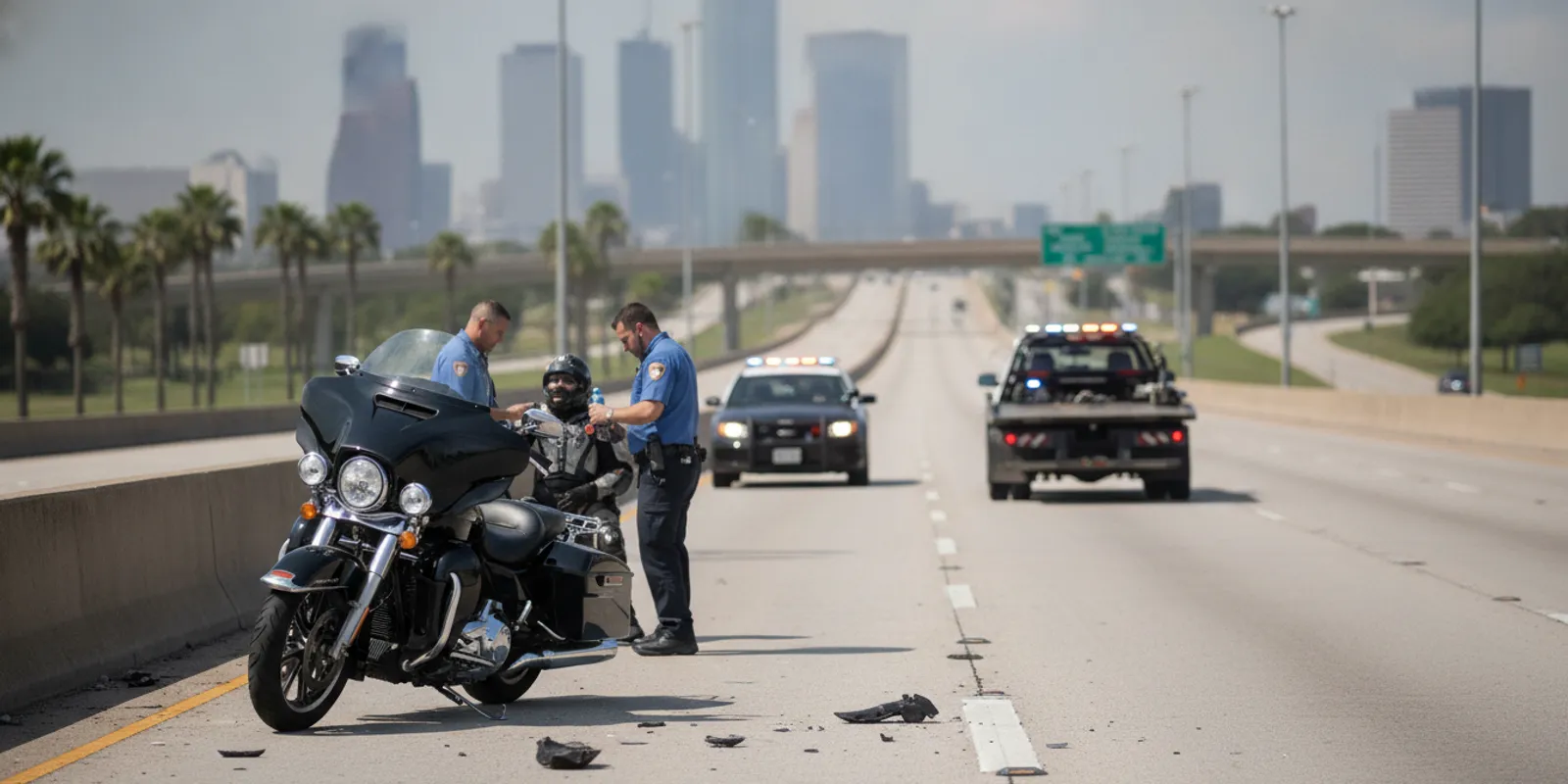
Knowing what to do after a motorcycle accident can be difficult when you are hurt, shaken, or unsure what happened. Put safety and medical care first, then document what you can without putting yourself at risk.
What should you do first at the scene?
Move out of traffic if you can do so safely. Do not remove your helmet or protective gear if you may have a head, neck, or back injury; wait for emergency personnel. Call 911 when anyone is injured, traffic is blocked, or the scene may be unsafe. Ask for police and medical assistance rather than trying to manage a serious crash alone.
If you are able, take these steps:
- Check yourself and others for immediate danger, but do not move an injured person unless there is a greater danger such as fire or oncoming traffic.
- Turn on hazard lights or use a safe warning device if available. Stand well away from moving vehicles.
- Exchange names, contact details, driver’s license and insurance information with the other driver. Keep the conversation calm and factual.
- Get the names and contact details of witnesses. Avoid arguing about fault or guessing about what happened.
Do not leave before you have handled the necessary reporting and information exchange, unless you need emergency medical care. A crash involving injury, death, or significant property damage may trigger legal reporting duties. If you are uncertain, ask the responding officer how to obtain the report and what information you should keep.
Why should you get medical care promptly?
Motorcycle crashes can cause injuries that are not obvious at the scene. Adrenaline and shock can make it hard to judge how you feel. Seek prompt medical evaluation, especially after a hard impact or if you notice pain, dizziness, confusion, numbness, weakness, breathing trouble, or a headache. Call emergency services for severe or worsening symptoms.
Tell the clinician how the crash happened and describe every symptom, even if it seems minor. Follow the care instructions you receive. If symptoms change, contact a medical professional. Keep copies of discharge instructions, bills, prescriptions, test results, and appointment details. These records can help you and your care team track what happened and what treatment you received.
Do not delay urgent care to take photographs or speak with an insurer. Your health comes first. If you cannot attend a follow-up appointment, contact the provider about rescheduling and record the communication.
How can you document the crash?
When the scene is safe and you are physically able, gather details before vehicles or road conditions change. A passenger or trusted person can help if you are injured.
- Photograph the motorcycle, other vehicles, visible damage, the roadway, nearby signs, traffic controls, debris, skid marks, weather, and lighting.
- Take wide views that show where vehicles were, then close views of specific damage or hazards. Do not enter traffic to get a photograph.
- Write down the date, approximate time, location, direction of travel, and a brief account of what you remember.
- Save the names and contact details of witnesses and the responding agency or officer, if available.
- Keep damaged clothing, helmet, and equipment in their post-crash condition. Photograph them and avoid repairs or disposal until you have documented them.
Do not edit original photographs. Keep the originals and make a separate backup. If a business or nearby property may have camera footage, note its location and promptly ask how to preserve it; footage may not be kept indefinitely. Keep receipts for towing, transportation, medication, and other crash-related expenses.
What information should you keep after leaving?
Make one folder, either paper or digital, for the crash. Include the police report information, medical records, insurance correspondence, repair estimates, photographs, witness details, and a simple timeline. Record missed work and other practical effects, but do not guess at amounts or describe symptoms inaccurately.
Keep texts, emails, voicemails, and letters from insurers. Note the date, name, and subject of each call. Ask for important requests in writing. Be careful about posting crash details, photographs, or opinions on social media; public posts may be saved and interpreted without the context you intended.
How should you handle insurance contacts?
Notify your own insurer as required by your policy and provide accurate basic facts. You can ask what documents are needed and keep a copy of what you submit. Before giving a recorded statement to another insurer, signing a release, or accepting payment, understand what the request covers. Do not speculate about speed, distance, or who caused the collision if you do not know.
Save the claim number and adjuster contact details. Ask whether the insurer needs photographs, a repair inspection, or additional records, and note any deadlines it gives you. An estimate or initial offer is not the same thing as a full review of your injuries, property damage, and other losses. Do not sign documents you do not understand.
When may legal review be useful?
A legal review may help you understand what evidence matters and what questions to ask when injuries are serious, fault is disputed, multiple vehicles are involved, an insurer requests a broad release, or you are unsure how to protect a claim. Each case depends on its facts, available evidence, and applicable law. No attorney can promise a particular result based only on a brief description.
For a focused overview of the firm’s motorcycle injury representation, see the motorcycle accident service page. To prepare for an inquiry, organize the crash date and location, other parties’ information, report details, medical providers, and the documents you already have. Do not delay emergency treatment while collecting paperwork.
Dodson Law Firm describes a free case review and a fee arrangement for injury matters under which no fee is charged unless there is a successful recovery. Confirm the applicable terms directly; this is not a promise that every matter will be accepted or that it will produce a recovery.
Which mistakes can make the next steps harder?
In the stressful period after a crash, small omissions can make it harder to reconstruct events or communicate clearly. You do not need to build a perfect file at the roadside. Instead, avoid actions that could erase useful information or create avoidable confusion.
- Do not guess. If you cannot remember a detail, say so rather than filling in gaps about speed, distance, timing, or direction.
- Do not alter evidence. Preserve original photos, messages, damaged gear, and paperwork. Make working copies when you need to send files.
- Do not ignore changing symptoms. Contact a medical professional if your condition changes or worsens, and follow the care guidance you receive.
- Do not sign what you do not understand. Ask for time to read an insurer’s request and clarify what a release or payment would cover.
- Do not assume a verbal conversation is documented. Keep a dated note of calls and save written communications.
These precautions are practical recordkeeping, not a substitute for medical guidance or legal advice. You can take them at a pace that fits your health and immediate responsibilities.
How can you build a useful crash timeline?
A short timeline can help you remember events consistently as days pass. Start with what you know directly, and label uncertain details as estimates. Do not revise an earlier note to make it sound more certain; add a dated clarification if you recall something new.
A simple entry might include the time you left, route and direction, when you first noticed the other vehicle, the impact as you remember it, and what happened immediately afterward. Note when emergency services arrived, when you spoke with witnesses, and when you received medical care. Keep opinions separate from observations. For example, “the pavement looked wet” is an observation; “the driver was speeding” is a conclusion unless you have a reliable basis for it.
If someone helped you at the scene, ask them to write down what they remember in their own words and include the date they made the note. Avoid coaching or combining accounts. Independent recollections are most useful when they remain distinct and honest about uncertainty.
What should you do about the motorcycle and damaged gear?
Before repairs, make a record of visible damage from several angles, if it is safe. Photograph the motorcycle’s overall condition and individual damaged areas, and keep repair estimates, invoices, towing receipts, and storage information. If the motorcycle is at a repair facility, ask what inspection or authorization is needed before work begins. Keep copies of any estimate or inspection findings you receive.
Store a damaged helmet, jacket, gloves, boots, and other protective equipment in a clean, dry place. Do not throw them away or clean away marks before photographing them. If you must move or replace an item for safety or practical reasons, take photographs first and save receipts or other records that explain what happened to it.
Make a list of property affected beyond the motorcycle, such as a phone, riding equipment, or personal items. Describe each item plainly and locate purchase or repair records if available. Avoid estimating replacement value from memory when a receipt, model number, or repair assessment can provide a more accurate record.
How can you keep medical and work records organized?
Use a separate section of your folder for care. Record appointment dates, provider names, instructions, medications, and questions you want to ask at the next visit. Keep bills and explanations of benefits together, but do not assume that an insurance statement is the same as a final bill. Ask the provider or insurer to explain anything that is unclear.
If your symptoms interfere with work or ordinary activities, make brief factual notes about what changed and when. For example, record that you could not perform a particular task or that a planned appointment required time away. Keep employer communications and pay or schedule records that already exist. Do not exaggerate or turn a personal note into a medical diagnosis; leave diagnosis and treatment decisions to qualified clinicians.
Share relevant information with your medical providers and follow their instructions. If you are worried about a symptom, ask a clinician rather than relying on a checklist or an online article. A written record can help you explain changes, but it cannot replace professional evaluation.
What if the other driver or a witness leaves?
If another driver leaves, do not chase the vehicle or put yourself back in danger. Call 911 or the appropriate law enforcement agency, give the location and direction of travel, and share any safe-to-record details such as vehicle description or plate information. Do not approach or confront the driver. If you cannot safely capture identifying details, focus on your safety and medical needs.
Ask witnesses who remain for their names and a reliable way to contact them. With their permission, note a short description of what they observed and where they were positioned. Do not pressure anyone to take sides or promise what their account will show. If a witness must leave, write down the time and any information they provide before it is lost.
When you speak with an officer, describe only what you observed or remember. If you do not know an answer, say so. Ask how to request the report and whether there is an incident or report number you can retain. Reports may take time to become available, so note the agency’s instructions rather than relying on memory.
What does a practical post-crash checklist look like?
The order can change depending on injuries and immediate danger. This checklist is a reminder, not a reason to delay care or remain at an unsafe scene.
- Get to safety. Move away from traffic only if you can do so safely, and call emergency services when needed.
- Get medical attention. Address urgent symptoms first and follow up with a medical professional.
- Exchange basic details. When safe, collect names, contact information, insurance details, and witness contacts.
- Record the scene. Take photos and notes only when it is safe and you are able.
- Ask about the report. Keep the reporting agency and report details in your records.
- Notify your insurer. Follow your policy’s instructions and keep copies of what you send.
- Organize records. Start a folder for medical, vehicle, expense, communication, and timeline documents.
- Get advice when needed. If the situation is complicated, ask a qualified professional what options may apply.
There is no need to complete every item immediately. Safety and treatment come first; the rest can be handled with help from a trusted person as you recover.
When should you ask for help?
Consider getting help with practical tasks if pain, medication, stress, or transportation makes it difficult to keep records or attend appointments. A trusted family member can organize documents, make copies, or help track dates, as long as you remain comfortable sharing that information. Ask providers and insurers where to send questions and how to keep a copy of submissions.
If you are uncertain about a deadline, legal duty, insurance request, or document, do not rely on a guess. Ask the relevant agency, insurer, medical provider, or a lawyer who can review the specifics. The correct answer can depend on facts and applicable rules, and a general checklist cannot resolve every individual question.
For an overview of motorcycle injury representation, review the firm’s motorcycle accident information. If you want to discuss whether a case review may be appropriate, use the contact page to reach the firm. A conversation does not guarantee acceptance or a particular result.
Contact Us to discuss your situation
Keeping the process simple can help: protect your health, preserve accurate records, and ask questions when you do not understand a request. Take the next step that is safe and manageable for you.
How can you approach the next few days?
The first hours may be chaotic, but you can make a steady plan once immediate danger and urgent treatment are addressed. Break tasks into short sessions rather than trying to solve every issue at once. If you are tired, in pain, or taking medication that affects concentration, ask someone you trust to help with basic organization and postpone non-urgent decisions until you can review them carefully.
During the first day
Write down the basic sequence while your memory is fresh, even if the account is incomplete. Mark estimates as estimates. Save the names of hospitals or clinics, the time you arrived, and the instructions you received. Put the responding agency, report number if known, tow company, insurer claim number, and witness details in one place. If a family member took photographs or collected documents for you, ask them to send copies without altering the originals.
Check your motorcycle and gear location. Confirm where the vehicle was taken, who has access to it, and whether storage charges or inspection decisions require timely attention. You do not need to authorize repairs simply because an estimate has been prepared. Ask the facility what its process is and retain written estimates and authorizations.
In the following days
Follow up on medical recommendations and keep appointment details together. If a symptom is new, worse, or concerning, contact a medical professional promptly. Ask for copies of records through the provider’s normal process when you need them; do not assume you must collect every page before getting care. A simple running note of appointment dates and questions can be enough to keep you oriented.
Contact your insurer in accordance with your policy and keep a copy of any forms, photographs, or bills you provide. If another insurer contacts you, record the representative’s name, company, phone number, claim reference, and the specific information requested. You can ask for a request in writing and take time to understand it. Give accurate facts, and distinguish what you personally remember from what someone else told you.
As you make decisions
Before you dispose of damaged property, approve substantial repairs, sign a release, or accept a payment, pause long enough to understand what the action means and what evidence may be lost. There may be practical reasons to repair or replace an item; if so, document its condition first when safe and preserve invoices and photographs. If you cannot tell whether a document ends a claim or covers only one part of it, ask the sender to explain in writing and consider getting legal advice about your options.
Use a checklist to reduce stress, not as a rigid schedule. Each person’s injuries, transportation, family obligations, and insurance paperwork differ. Prioritize health, keep a record of what you do, and revisit unresolved items with a qualified professional when necessary.
How can you make photographs and notes more useful?
Photographs are most helpful when they show context as well as detail. If you are safe and able, take several views from a lawful, protected position. A wide image can show how the road bends, where an intersection begins, or where vehicles came to rest. A closer image can show a dent, broken light, tire mark, or damaged riding equipment. Photograph signs, signals, lane markings, surface conditions, and visibility conditions that might otherwise change after the scene clears.
Keep the original files with their dates and do not add captions or filters to the originals. If you need to identify an image, create a separate note with the file name and a plain description, such as “northbound approach” or “left side of motorcycle.” Back up the files in a secure location and share copies only with people who need them. Avoid forwarding a compressed image if the original is available.
Notes should separate three things: what you saw, what you heard, and what you infer. “I heard a horn just before impact” is a recollection. “The other driver saw me” is an inference unless you have direct evidence. Be candid about gaps. A short, accurate note is more useful than a detailed account filled with assumptions.
If you later remember something new, add a dated entry rather than silently rewriting your first account. Memory can shift, and an honest explanation that a detail was recalled later is clearer than a document that appears to have been rewritten. Keep notes private and factual, and do not ask others to repeat your account as their own.
What should you ask before giving information to an insurer?
First identify who is calling and what claim they represent. Write down the insurer, adjuster’s name, callback number, claim number, and the person or property involved. If the caller asks for sensitive information, verify the contact through a known policy or claim channel rather than relying only on an unexpected message.
Then clarify the purpose of the request. Is the insurer asking for basic notice, documents, a recorded statement, medical authorization, vehicle access, or a settlement release? Ask which time period and subjects a form covers, whether it is required under your policy, and how to provide it securely. Request a copy of any form before signing. Keep a record of the response and the date.
Answer questions truthfully, but do not fill gaps by guessing. It is reasonable to say that you do not know, do not remember, or need to check a record. If an answer requires medical, technical, or legal judgment, explain that you cannot make that assessment yourself. Ask whether the insurer can accept a written factual response instead of a recorded discussion, and seek advice if you are uncertain about your rights or obligations.
Keep a copy of every statement, photograph, invoice, and form you submit. If you send documents electronically, preserve the sent message and attachments. If you mail records, use a method that provides a delivery record when appropriate. A clear paper trail can help resolve later questions about what was provided and when.
How can you estimate and track crash-related expenses?
Start with actual records, not a predicted total. Save receipts for towing, storage, transportation, prescriptions, medical appointments, equipment, and other expenses you believe are connected to the crash. Write the date, amount, purpose, and payment method on a simple log. If another person paid on your behalf, note that fact and keep the receipt if available.
Separate amounts that are billed from amounts already paid, and keep explanations of benefits with the related provider bill. The numbers on an insurer’s statement may reflect processing or adjustments and may not be the provider’s final balance. Ask the provider or insurer to clarify discrepancies rather than assuming what you owe.
For vehicle damage, keep each estimate and invoice with its date and the name of the repair facility. If there are multiple estimates, label them so you can distinguish an initial inspection from later work. Photograph the motorcycle before repairs if possible, and save proof of parts, labor, towing, and storage charges. Do not state a value as certain when all you have is a preliminary estimate.
If you miss work or lose a scheduled opportunity because of treatment or restrictions, preserve existing schedules, pay records, or employer communications. Keep your notes factual: record the date, the time missed, and the reason as you understand it. Do not make a legal conclusion about recoverability based on a spreadsheet; whether an item matters can depend on the particular facts and applicable law.
How should you handle vehicle repairs and storage?
Ask the tow company or storage facility where the motorcycle is, how to retrieve personal belongings, and what charges or deadlines apply. Get the information in writing when possible. Take photographs before moving or repairing the motorcycle if you can do so safely. If the bike cannot be released without payment or paperwork, request an itemized statement and keep a copy of anything you sign.
Before authorizing repairs, ask what the estimate includes, whether additional damage may be found after disassembly, and how the facility documents changed work. Keep your authorization and each updated estimate. If an insurer wants to inspect the motorcycle, ask how and when inspection will occur and whether it affects the repair schedule. Do not assume that an insurer’s first estimate accounts for every issue.
Balance evidence preservation with practical realities. A vehicle may need to be moved to avoid mounting storage charges or to restore transportation. If you need to move forward, preserve photographs, estimates, and written communications first where feasible. Note why a decision was made and who advised you. Avoid leaving a damaged vehicle unattended in an unsafe place just to retain evidence.
Keep keys, registration, insurance documents, and personal property secure. Make a list of items removed from the motorcycle and where they are stored. If a helmet or protective gear must be replaced, photograph the damaged item before disposal and retain a receipt for the replacement. Do not rely on memory alone when several items are being handled by different people.
What if you cannot complete the checklist yourself?
After an injury, ordinary administrative tasks can feel overwhelming. You can ask a trusted person to create folders, scan documents, maintain a calendar, or help arrange transportation. Tell them what information is private and what you want them to handle. Keep originals in a safe place and use copies for routine sharing.
If someone else calls an insurer or provider for you, ask what authorization is needed and make sure you understand what information the person may receive. Do not share passwords or sensitive account access casually. A helper can keep a list of questions, but medical decisions and legal decisions remain matters to discuss with the appropriate professionals.
When you have limited energy, choose a small task: save one receipt, write down one phone call, or schedule one follow-up. A simple, consistent record is more manageable than trying to recreate everything weeks later. If urgent care is needed, leave paperwork for later.
What questions should you bring to a legal review?
If you seek a legal review, you do not need a polished case file or a final account of every detail. Bring what is available: the date and approximate location, the parties’ names and insurance details, report information, photographs, medical providers, repair documents, and any insurer letters or releases. A short list of unresolved questions can make the conversation more focused.
- What information should I preserve or request next?
- Are there documents I should understand before signing?
- How should I handle insurer contacts while medical care is ongoing?
- What facts or records could affect the options available in my situation?
- What are the terms and scope of any proposed representation?
Ask how the review works, what information is needed, and whether the firm can consider the matter. A preliminary conversation cannot establish every fact or guarantee an outcome. The firm describes a free case review and a no-fee-unless-successful-recovery arrangement for injury matters; confirm the written terms and scope directly before relying on them.
For details about the firm’s motorcycle accident representation or to contact the firm, review those pages. Any legal assessment depends on the specific facts and applicable law.
What should you do next?
Take care of immediate safety and medical needs, preserve what you can, and keep communications organized. If you are in Houston or nearby counties and need help understanding possible next steps, contact the firm with your questions and available records. The safest plan is one that puts your health first and handles each practical decision with accurate information.
Author Bio
 Wendi Dodson is an experienced attorney and the founding partner of Dodson Law Firm, PLLC, a family law and personal injury firm in Houston, TX. Her practice areas include divorce, child custody, child support, spousal support, property division, and personal injury cases. As a Texas Certified Mediator and graduate of Harvard Law School’s Program on Negotiation, Wendi brings exceptional conflict resolution skills to her practice.
Since graduating Cum Laude from Thurgood Marshall School of Law, she has earned multiple CALI Excellence for the Future Awards, demonstrating her commitment to legal scholarship.
Wendi actively participates in several professional organizations, including the State Bar of Texas and the American Bar Association, reflecting her dedication to ongoing professional growth and community involvement.
Google | State Bar of Texas | LinkedIn | Avvo