Drunk Driving Accident Lawyer in Houston: Evidence and Claims
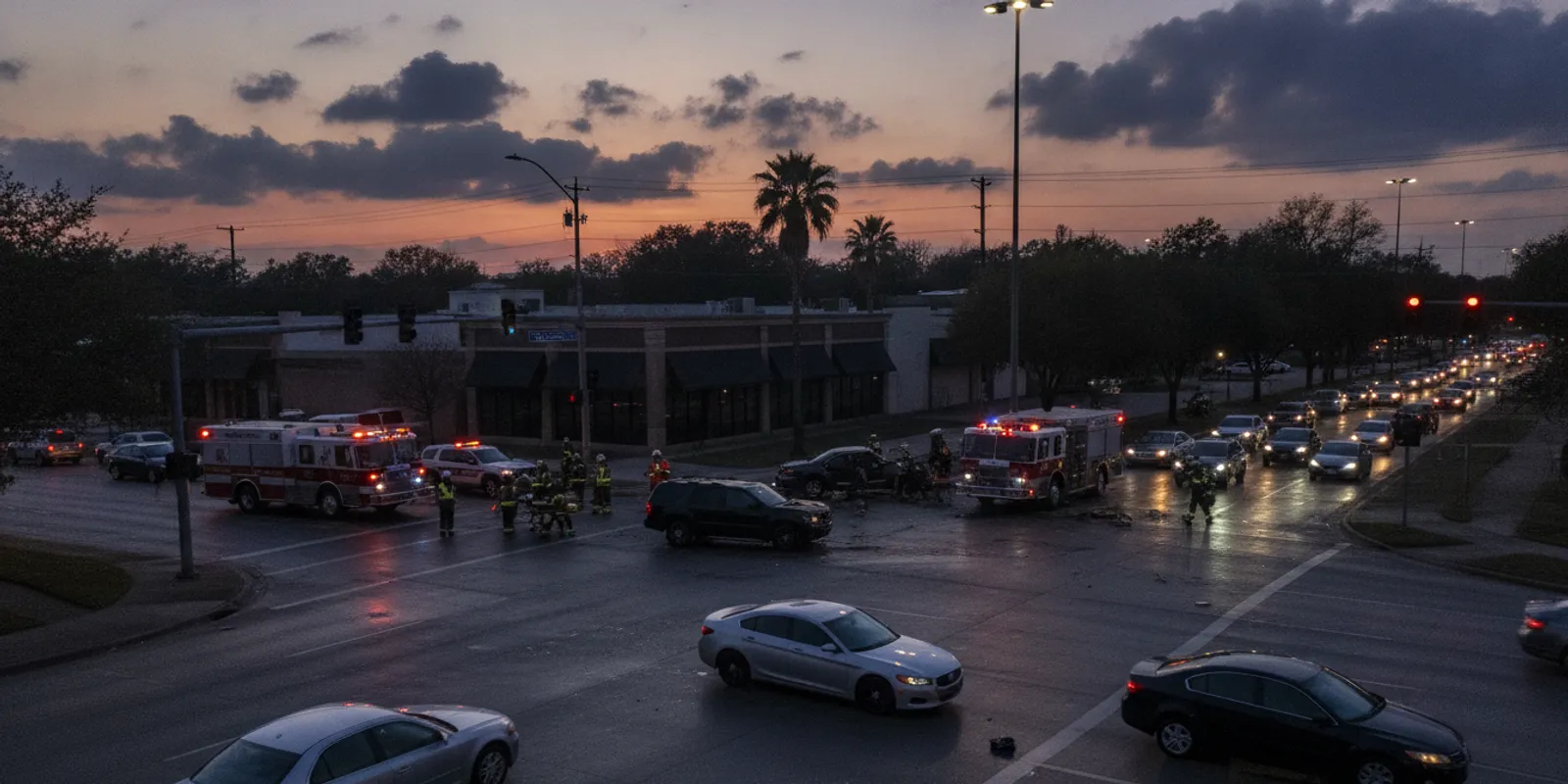
A crash involving an allegedly impaired driver can leave you dealing with pain, vehicle damage, missed work, and difficult questions about what happens next. If you are looking for a drunk driving accident lawyer in Houston, start by protecting your health and the evidence connected to the collision. The driver’s arrest or test result may matter, but it does not by itself answer every question in a civil injury claim.
What should you do immediately after an impaired-driving crash?
Your first priority is safety and medical care. If the crash is still active, move away from traffic when you can do so safely and call 911. Tell the dispatcher if anyone may be seriously hurt. Do not confront the other driver, argue about fault, or try to investigate the driver’s condition yourself.
At the scene, consider these steps if your injuries and circumstances allow:
- Request medical assistance and follow the advice of emergency responders.
- Ask that the collision be reported to law enforcement.
- Exchange insurance and contact information, but keep the conversation limited to practical details.
- Take photographs or video of vehicle positions, visible damage, road conditions, traffic controls, and nearby property without putting yourself in danger.
- Identify witnesses and ask for a way to contact them.
- Write down what you remember about the other vehicle, the driver’s statements, and what happened before and after impact.
- Avoid posting photographs, accusations, or detailed accounts on social media.
Do not delay emergency care because you are unsure whether your symptoms are serious. Some injuries become more noticeable after the initial shock wears off. Tell the medical provider that the symptoms followed a motor-vehicle collision, and keep discharge papers, prescriptions, invoices, and instructions.
Why does suspected impairment matter in a civil injury claim?
Texas law can treat an impaired-driving investigation as important evidence, but a civil claim still requires a fact-specific review. A lawyer may examine whether the driver owed a duty, whether the driver breached that duty, whether the breach caused the collision, and what losses the injured person can document. The available evidence may include the crash report, witness accounts, video, photographs, medical records, toxicology information, and other records collected during the investigation.
Impairment evidence can take different forms. Officers may document observations, field-sobriety testing, breath or blood testing, statements, citations, or an arrest. A criminal case and a civil injury claim are separate matters, however. A criminal charge, arrest, or conviction does not automatically establish every element of a civil claim, and the absence of an arrest does not necessarily resolve whether another driver caused a crash.
That distinction is one reason not to make a public accusation or assume the result of a potential case. The facts may change as records are obtained. A Houston car accident lawyer can review the collision information and explain what additional facts may be needed.
What evidence can help show how the crash happened?
Evidence is often easier to preserve soon after a collision. Skid marks can fade, vehicles may be repaired, surveillance footage may be overwritten, and witnesses may forget details. You should not attempt to collect evidence in a way that creates another safety risk, but you can organize the information already available to you.
The crash report and investigation records
The law-enforcement crash report may identify the vehicles, road conditions, apparent contributing factors, citations, witnesses, and the officer’s observations. It may not contain every fact that later becomes relevant. Depending on the circumstances, additional records may include photographs, body-camera footage, dispatch information, testing records, or other investigative materials. Access to some records may depend on the status of the investigation and applicable rules.
Witness and video evidence
Independent witnesses may have seen the other vehicle before impact, the collision itself, or the driver’s conduct afterward. Write down their names and contact information if possible. Nearby businesses, homes, traffic systems, and vehicle cameras may have recorded part of the event. Ask a lawyer promptly about preserving potentially useful footage rather than assuming it will remain available.
Vehicle and scene evidence
Photographs can show the direction of impact, damage patterns, debris, roadway conditions, traffic signs, lane markings, and lighting. Preserve photographs in their original form when possible. Do not discard damaged parts or authorize repairs before understanding whether the vehicle may need to be inspected. If repairs are necessary for safety or transportation, keep estimates, invoices, and photographs from before the work.
Statements and digital records
Save texts, emails, photographs, dash-camera files, rideshare or delivery records, and other information that may place a vehicle or person at a particular location. Avoid editing the original files. Make a separate note explaining when and how each item was obtained. Do not access another person’s private account or device to look for evidence.
How should you document injuries and financial losses?
An injury claim is not limited to the first emergency-room bill. The nature, duration, and effect of an injury can matter. Keep a file, physical or digital, that includes:
- Emergency, hospital, physician, therapy, pharmacy, and diagnostic records.
- Dates of appointments, symptoms, restrictions, and changes in treatment.
- Receipts for medication, transportation, medical equipment, and other accident-related expenses.
- Employer records or a personal log showing missed work, reduced hours, or job restrictions.
- Photographs of visible injuries taken over time when appropriate.
- A short daily account of pain, sleep disruption, physical limitations, and activities you could not perform.
- Information about household tasks or caregiving that became difficult after the crash.
Be accurate and consistent. A pain journal should not exaggerate symptoms, and a medical history should not omit prior conditions when a provider asks about them. A prior injury does not automatically prevent a claim, but the relationship between the collision and current symptoms may require careful medical review.
Follow medical instructions and attend scheduled appointments when possible. If treatment becomes difficult because of cost, transportation, work, or another problem, tell the provider and document the issue. Do not stop treatment solely because an insurer says you appear better or because a vehicle-damage claim has been resolved.
What should you know before speaking with an insurance company?
Insurance companies often begin investigating soon after a crash. You should report the collision as required by your policy and provide basic factual information. Before giving a recorded statement about injuries, signing a broad medical authorization, or accepting a settlement, consider getting legal advice if the crash caused significant injury or the facts are disputed.
A liability insurer may ask questions about the collision, your medical history, work, or prior accidents. Answer truthfully, but do not guess. It is reasonable to say that you need to verify a date or detail. Keep copies of letters, claim numbers, estimates, and settlement offers. A quick payment may not account for future treatment, lost income, or the full effect of an injury.
Your own policy may also contain coverages that need review, including medical-payments or uninsured/underinsured-motorist provisions, depending on the policy and circumstances. The existence, limits, exclusions, and procedure for using coverage vary. Do not assume that the other driver’s alleged intoxication makes insurance collection automatic.
What losses may be considered in a Houston injury claim?
Potential damages depend on the facts, the evidence, the applicable law, and the available insurance or other sources of recovery. Depending on the circumstances, an injury claim may involve medical expenses, future medical needs, lost income, reduced earning ability, property damage, physical pain, emotional effects, and limitations on ordinary activities. A claim for a particular category requires support; listing a loss does not guarantee that it will be recovered.
Serious injuries can make future losses difficult to estimate. Treatment plans, medical opinions, employment information, and household impacts may help explain what the injury has changed. Keep your records even if you are still unsure whether you will make a claim.
Property damage and bodily injury issues may overlap, but they are not identical. Repair estimates may address a vehicle’s condition without documenting a person’s symptoms. Similarly, an early medical bill may not describe the full course of treatment. Organize each type of loss separately so that important information is not lost.
When should you speak with a drunk driving accident lawyer in Houston?
Consider requesting a case review when an impaired-driving crash caused an injury, a death in the family, substantial property damage, disputed fault, or continuing contact from an insurer. Early legal help may also be useful when the other driver denies impairment, multiple vehicles were involved, a commercial vehicle was involved, a child was injured, or your injuries affect work.
A lawyer may ask you to describe the collision, identify medical treatment, provide insurance information, and share documents or photographs. The initial review is not a decision that a claim will succeed. It is an opportunity to identify missing facts, possible deadlines, insurance questions, and practical next steps.
Dodson Law Firm describes injury representation as including a free case review and no fee unless there is a successful recovery. That language applies to injury representation and does not establish the fee arrangement for family law, business law, or mediation matters. Ask about the proposed representation agreement, expenses, communication, and the scope of services before making a decision.
For more information about the firm’s broader practice areas, see the Dodson Law Firm services page. The firm is located at 1235 North Loop West, Suite 208, Houston, Texas 77008, and public call and text contact is 713-338-2525 during Monday through Friday, 9 a.m. to 5 p.m. Central.
What Houston-area issues can affect an injury claim?
Houston-area crashes may involve busy highways, frontage roads, construction zones, commercial traffic, changing weather, and witnesses who travel through several counties. The location of the crash can affect which agency investigated it, where records are kept, and which court or venue questions may arise. A crash in Harris County may require a different records request or venue analysis than one in Fort Bend, Brazoria, Galveston, or Montgomery County.
Service areas and office locations are not the same thing. Dodson Law Firm is a Houston-area firm and may review injury matters connected to the counties identified in its public information. You should ask whether the firm can evaluate your particular location, injury, and timing rather than assuming that every matter qualifies.
What mistakes should you avoid after the crash?
- Do not delay medical care while waiting to see whether pain disappears.
- Do not admit fault or speculate about speed, distance, or timing.
- Do not post a detailed account, photographs, or comments about the other driver online.
- Do not destroy vehicle evidence or delete original photographs and messages.
- Do not sign a release before understanding what claims and future treatment it covers.
- Do not assume the criminal investigation will preserve every item needed for a civil claim.
- Do not miss an insurance or legal deadline because negotiations are continuing.
These precautions do not require you to become an investigator. They are simple ways to protect your health, preserve information, and avoid an avoidable misunderstanding about what happened.
How can you organize a claim file step by step?
Once immediate medical and safety needs are addressed, a small, orderly record system can make later conversations with an insurer or lawyer more productive. It also reduces the chance that receipts, names, or dates will be scattered across phones, email accounts, and paper bags. You do not need special software. A folder and a simple index are enough.
Step 1: Create a timeline while memories are fresh
Write a dated account of the crash as you remember it. Include the route, direction of travel, approximate time, weather and visibility, traffic signals, lane changes, and sequence of impacts. Separate what you personally saw from what someone later told you. Mark estimates as estimates rather than presenting them as exact measurements. If you remember a statement from the other driver, record the words as closely as you can and note who else heard it. Do not revise your account to make it sound more certain than it is; add a dated note if your memory changes or you learn a new detail.
Step 2: Save the original files and make a backup
Keep original photographs, videos, messages, and dash-camera recordings in their native form. Make a second copy in a separate secure location so that a lost or damaged phone does not erase the only record. Create folders by type, such as scene, vehicle, medical, work, and insurance. Name copies with dates and short neutral descriptions, but do not crop, annotate, or overwrite the originals. If a file came from another person, record their name and when they sent it.
Step 3: Keep a contact and document log
Record the date, person, organization, phone number or email, claim or report reference, and the subject of each call. Note any requested action and its due date. Keep copies of letters, forms, estimates, and releases. After a phone call, make a brief note of what was discussed. This helps distinguish an informal conversation from a written request and gives you a way to check details later without relying on memory.
Step 4: Separate expenses from proof of injury
Use one list for bills and payments, another for work and income information, and a third for symptoms and treatment. A receipt may prove an expense but not explain why the expense was necessary; a provider’s note may describe treatment but not show what you paid. Keeping both types avoids gaps. Record whether a bill is pending, paid by you, or submitted to an insurer, and keep explanations of benefits if you receive them.
Step 5: Preserve the vehicle information
Photograph the vehicle from several angles before repairs if it is safe and practical. Save the tow receipt, storage notices, inspection report, repair estimate, final invoice, and communications with the repair shop or insurer. If the vehicle must be moved or repaired quickly, do not sacrifice safety to preserve evidence; take available photographs and retain the paperwork. Ask before disposing of damaged components if a significant dispute exists, since an inspection may or may not be useful depending on the facts.
Step 6: Maintain a short, factual health log
Once a day or after a meaningful change, note symptoms, treatment, restrictions, sleep, and activities affected. Keep the account concise and factual. For example, “Could not lift the grocery bag with my right arm; called the clinic about the restriction” is more useful than a dramatic conclusion about the injury. A log does not replace a medical record, but it can help you remember what to tell a provider and explain daily effects accurately.
Step 7: Review the file before each important conversation
Before speaking with an insurer, provider, or lawyer, review the dates and documents relevant to the question. If you do not know an answer, say that you need to check. Do not send every document to every person automatically. Share information through appropriate channels, keep a copy of what you provide, and ask what additional material is needed and why.
These habits can help whether you ultimately pursue a claim or not. They are not a substitute for legal advice, and a neatly organized file does not itself prove fault or guarantee payment. Its purpose is to make the facts easier to check, preserve, and explain.
How do different evidence sources fit together?
No single item usually tells the entire story. A scene photograph may show where vehicles came to rest but not the moments before impact. A witness may recall the signal color but not the driver’s identity. A medical record may document symptoms and treatment without resolving how the collision occurred. Looking at sources together can help identify where accounts match and where questions remain.
Build a source map, not a conclusion
Make a basic list of each issue and the information that may address it. For example, the issue of direction and impact might involve scene photographs, vehicle damage, a crash report, and witness descriptions. The issue of impairment might involve officer observations, testing records, statements, and the timeline of the investigation. The issue of injury might involve the first medical visit, follow-up records, work restrictions, and your symptom notes. This is an organizing tool, not a way to decide the legal result yourself.
For every item, note whether you have it, who may hold it, and whether there is a reason to preserve it quickly. Mark unknowns plainly. If a nearby camera might have captured the crash, write down the location and approximate time rather than assuming the recording exists or shows the collision. If you hear that a test was performed, record who told you and when; do not treat secondhand information as a confirmed result.
Keep conflicting details visible
People can remember the same event differently, particularly when the collision was sudden or stressful. If a witness describes one lane and a report describes another, preserve both accounts and note the source. Do not delete a message, silently change a timeline, or pressure someone to adopt your version. A factual review can explain whether the difference matters and whether another record may clarify it.
Also keep context with photographs and recordings. Note where the camera was, when the image was taken, whether it was taken after vehicles moved, and whether the file contains the full sequence. A close-up of damage may be useful, but a wider frame can show road position or nearby signs. Keep both when available.
Understand why an impairment allegation is not the whole claim
Evidence that a driver may have been impaired can be important, but it does not automatically show the exact cause of a particular impact or establish every loss. Other questions may include which vehicle entered an intersection, whether another driver contributed, whether a roadway condition played a role, what injuries were caused, and what coverage may apply. Conversely, a lack of a known test result does not necessarily answer every question about how the crash happened. Keep the factual issues separate and allow the evidence to be evaluated as it becomes available.
That careful approach also protects you from repeating an unverified allegation. In conversations and written notes, use neutral descriptions such as “the officer investigated possible impairment” unless you have a verified basis to say more. Public posts can travel beyond their intended audience and may not preserve the context of an investigation.
What should you consider when evaluating an insurance offer?
An offer can arrive before you know the full course of treatment or the long-term effect of an injury. Before deciding, identify what the document would resolve, what expenses remain, and whether you have enough information to estimate future needs. A payment for vehicle damage may be separate from an injury release, but the actual documents control. Read the complete terms and ask questions before signing.
Check exactly what the release covers
Look for the parties and claims named, whether the release concerns bodily injury, property damage, or both, and whether it includes unknown or future claims. Check whether it addresses medical liens or reimbursement claims, confidentiality, indemnity, or other obligations. Do not rely only on a verbal description or a short summary in an email. If a term is unclear, request an explanation in writing and consider legal advice before accepting.
List known and unresolved losses
Write down bills already received, treatment still scheduled, medications, travel to appointments, time away from work, and vehicle-related costs. Mark each as paid, outstanding, disputed, or not yet known. This does not tell you what a claim is worth; it helps you see what a proposed payment may leave unresolved. Consider whether a provider has discussed future care and whether your work restrictions have changed.
Compare the offer with the information available
Ask what records the insurer used, what facts it accepts or disputes, and whether it has considered the documentation you supplied. Keep the response factual. If you disagree, identify the specific document or event that may be missing rather than making broad accusations. The insurer’s evaluation is not the same as a court decision, and an offer does not establish the full value or merits of a claim.
Do not sign because a call feels pressured or because you are concerned that asking questions will end all communication. You can request time to review a document and retain a copy. If a deadline is stated, record it and verify what it means. A lawyer can help explain the potential effect of a release, but only after reviewing its exact wording and the facts.
What if the crash involved several vehicles or a commercial driver?
More than one vehicle can complicate the sequence of events and the allocation of responsibility. A driver may be struck after another vehicle changes lanes, or an initial impact may cause a chain reaction. Record each vehicle’s position, direction, visible damage, and the identity of its driver if known. Do not decide that the first vehicle you noticed is necessarily the only responsible party.
When a commercial vehicle is involved, identify the company name, vehicle markings, plate information, and any documents exchanged at the scene. Preserve photographs of the vehicle and note whether it appeared to be carrying a load or connected to a business. This information may help identify the appropriate owner or insurer, but company markings alone do not establish who employed the driver, who controlled the trip, or what coverage applies. Those questions require investigation.
If a passenger, pedestrian, cyclist, or occupant of another vehicle was injured, avoid sharing another person’s private medical details without permission. You can provide your own observations to authorities and preserve contact information. Each injured person may have distinct facts and claims, and one person’s account does not automatically establish another’s losses.
A multi-vehicle crash can also produce conflicting statements and overlapping insurance inquiries. Keep a separate note for each insurer, claim number, adjuster, and request. If several parties contact you, ask for identification and written confirmation of what they need. Do not sign a document on behalf of another person unless you are legally authorized to do so.
How do missed work and daily limitations fit into documentation?
Income loss is not always shown by a single missed-paycheck record. Depending on the circumstances, useful records may include schedules, pay statements, employer letters, time-off balances, invoices, or records of canceled work. If you are self-employed, preserve ordinary business records that show the work you could not perform, such as booked jobs, invoices, and correspondence. Do not create estimates that cannot be explained; keep the original records and note how a calculation was made.
Separate time missed from changes in duties. Someone may return to work but be unable to lift, drive, stand, or complete a usual shift. Ask a medical provider to document restrictions when appropriate, and follow workplace procedures for reporting them. Save communications about modified duties or leave. A supervisor’s informal comment may be useful context, but it is not the same as a medical restriction or payroll record.
Daily limitations can also matter even when they do not have a receipt. Note specific activities that changed, such as preparing meals, carrying a child, driving to appointments, or sleeping through the night. Record the date and what assistance was needed. Avoid turning ordinary notes into legal conclusions. The point is to preserve a clear picture of what changed and for how long, not to assign a dollar amount on your own.
If symptoms improve, record that too. A balanced record includes changes in both directions and makes it easier to describe the course accurately. Do not keep a journal only to support a claim; use it as a practical memory aid for treatment and daily planning.
What questions can you ask during a case review?
A first conversation can be more useful when you bring a short summary and ask focused questions. You do not need to know every legal term or have every record in hand. The purpose is to understand whether further review may be appropriate, what information is missing, and what responsibilities you should handle next.
- What facts or documents would help evaluate how the collision occurred?
- Are there any deadlines or time-sensitive preservation steps that should be checked?
- Which insurer or coverage issues may need review based on the information available?
- What records should I keep gathering, and which should I avoid sending until requested?
- How would communication work, who would be my point of contact, and how should urgent questions be handled?
- What does the proposed representation agreement cover, and what expenses or responsibilities should I understand?
- What is known, what remains uncertain, and what would be the next decision point?
Bring the crash report or report number if available, photographs, insurance information, medical documents, a list of providers, and a brief timeline. If you do not have an item, say so; do not delay asking about a time-sensitive concern simply to assemble a perfect packet. Keep originals and share copies unless an original is specifically needed and its transfer is documented.
Dodson Law Firm states that it offers a free case review for injury representation and no fee unless there is a successful recovery. Ask the firm to explain the written terms, including expenses and scope, before deciding whether to proceed. This statement should not be understood as a fee promise for any family, business, or mediation matter.
Learn More About Personal Injury Representation
Frequently asked questions
Does an impaired-driving arrest guarantee compensation?
No. An arrest is part of a criminal investigation and does not automatically establish liability, causation, or the amount of damages in a civil injury claim. The available evidence and the facts of the crash still need to be evaluated.
Should I speak with the other driver’s insurer?
You should report the crash as required and provide accurate basic information. Before giving a recorded statement about injuries or signing a release, consider obtaining legal advice when the injuries are significant, the facts are disputed, or the insurer’s questions concern your medical history.
What if I felt fine at the scene but developed symptoms later?
Seek medical attention and tell the provider when the symptoms began and that they followed the crash. Keep records of the visit and your symptoms. Whether later symptoms are connected to the collision is a medical and fact-specific question.
Can I still have a claim if I was partly at fault?
Possibly, but the effect of shared fault depends on the facts and applicable Texas law. Do not assume that a difficult conversation at the scene resolves fault. Preserve evidence and ask a lawyer to review the circumstances.
How much does an injury case review cost?
Dodson Law Firm states that it offers a free injury case review and does not charge a fee unless there is a successful recovery for injury representation. The exact terms, expenses, and scope should be confirmed before representation begins.
This article provides general information, not legal advice, and a lawyer-client relationship is not created by reading it or contacting the firm; deadlines and rights depend on the facts of each Texas crash.
Author Bio
 Wendi Dodson is an experienced attorney and the founding partner of Dodson Law Firm, PLLC, a family law and personal injury firm in Houston, TX. Her practice areas include divorce, child custody, child support, spousal support, property division, and personal injury cases. As a Texas Certified Mediator and graduate of Harvard Law School’s Program on Negotiation, Wendi brings exceptional conflict resolution skills to her practice.
Since graduating Cum Laude from Thurgood Marshall School of Law, she has earned multiple CALI Excellence for the Future Awards, demonstrating her commitment to legal scholarship.
Wendi actively participates in several professional organizations, including the State Bar of Texas and the American Bar Association, reflecting her dedication to ongoing professional growth and community involvement.
Google | State Bar of Texas | LinkedIn | Avvo