Dog Bite Lawyer in Houston: What to Do After a Dog Attack
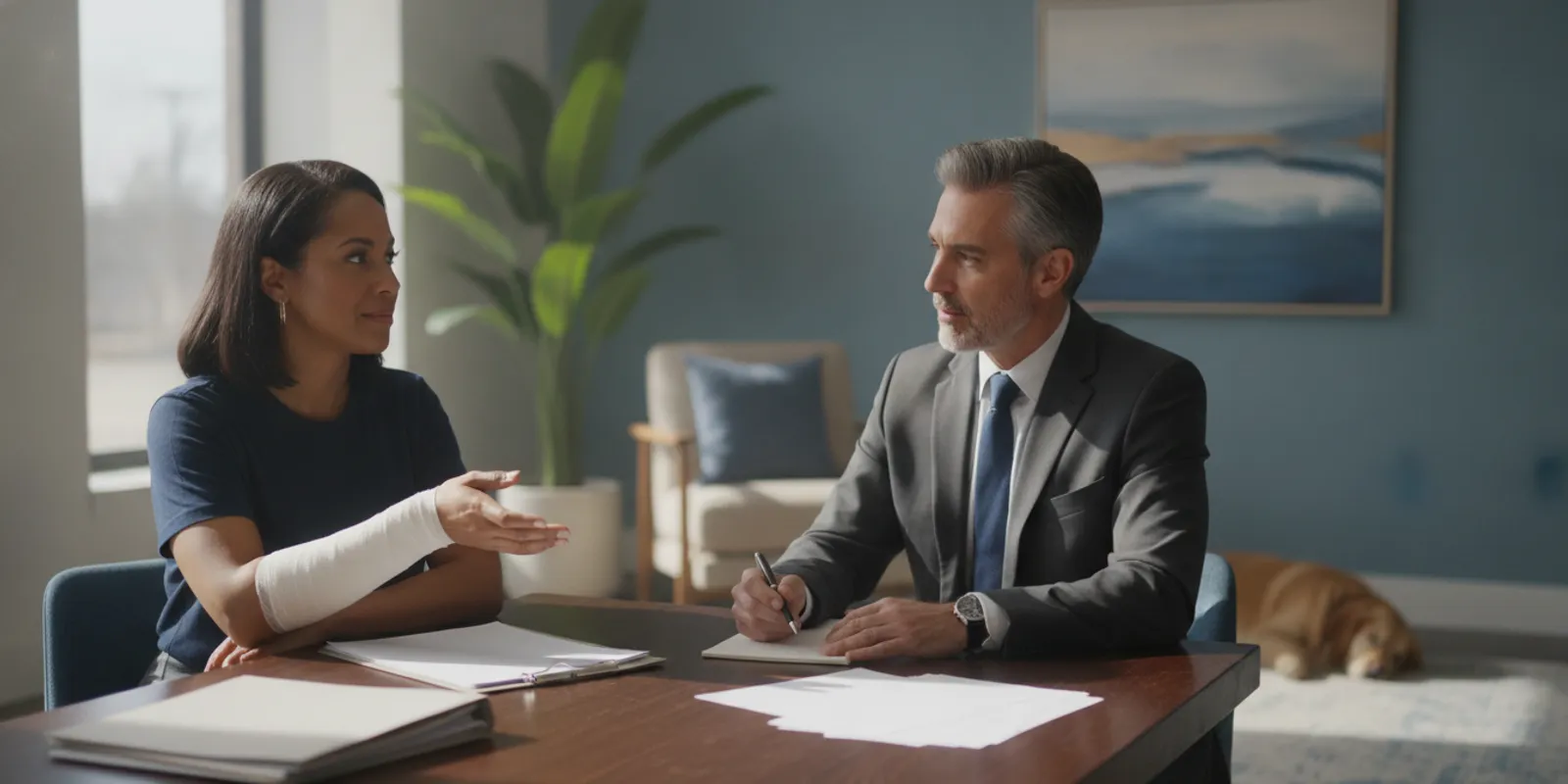
A dog attack can leave you dealing with pain, medical appointments, unanswered questions, and concern about what happens next. If you are looking for a dog bite lawyer in Houston, first focus on your health and a clear record of what occurred. A careful early response can help preserve information while you decide whether to pursue a claim.
By Wendi R. Bailes-Dodson, Managing Attorney
This guide explains practical steps after a dog bite or other dog-related injury, what evidence may matter, and the questions that can affect responsibility under Texas law. It is general information, not a decision about the facts or value of any particular case. Every incident is different, and a lawyer can assess the details after learning what happened.
What should you do immediately after a dog bite?
When an attack is unfolding, get to safety and seek emergency assistance if anyone faces an immediate threat or has a serious injury. Once the danger has passed, address the injury before turning to paperwork or a claim. A bite wound can look small while still needing medical attention, and punctures, crushing injuries, scratches, or falls may not be obvious at first.
- Move away from the dog. Do not approach or try to restrain an unfamiliar, frightened, or aggressive animal. Ask another person to help only if it is safe to do so.
- Call emergency services for urgent danger or serious injury. Follow the dispatcher’s instructions. If the situation is no longer an emergency, contact a medical provider promptly for guidance about the wound.
- Get medical care and follow instructions. Tell the provider that an animal caused the injury, describe where and when it happened, and report any symptoms or changes. Follow-up care can matter for your health and creates a record of the treatment provided.
- Identify the dog and its caretaker if it is safe. Ask for the owner’s or handler’s name and contact information, and ask whether the dog’s vaccination information is available. Do not delay care or put yourself at risk to collect it.
- Record the scene and witnesses. If you can do so safely, note the location, time, conditions, and names or contact details of people who saw the incident. Take photographs when practical.
- Report the incident to the appropriate local authority. Depending on where and how it occurred, this may involve animal control, a public health authority, property management, or law enforcement. Ask how to make a report and keep any reference number.
These steps are not a substitute for medical advice or a legal evaluation. Do not try to interview witnesses or obtain records while an urgent medical need is unresolved. You can ask a trusted person to help write down details while they are still fresh.
Why is prompt medical care important?
Medical care is first about protecting your health. A qualified provider can assess the wound and advise you about treatment, monitoring, and follow-up. The right next step depends on the injury and your medical circumstances; do not rely on an online article to decide whether a bite needs attention.
Prompt care also helps create a contemporaneous record. Tell the provider accurately how the attack happened, what parts of your body were hurt, and what symptoms you noticed. If pain, swelling, reduced movement, sleep disruption, or another problem develops later, report it to the provider rather than assuming it is unrelated. Do not exaggerate, minimize, or guess. A consistent, accurate account is more useful than a statement tailored to an insurance claim.
Keep copies of discharge instructions, appointment information, prescriptions, bills, and any work restrictions. Record missed appointments or changes to treatment and the reason, if known. If you cannot attend a scheduled appointment, contact the provider to ask how to reschedule. A gap in care does not automatically determine a claim, but unexplained gaps may lead to questions about the course of an injury.
Ask the provider what information you should share with the dog’s owner or a public authority. If you have concerns about infection, scarring, mobility, or emotional distress, raise them with a medical professional. Do not assume the injury is fully healed just because the skin appears to close.
Should you report a dog bite in Houston?
Reporting may help create an official account of the incident and may allow the proper agency to address animal-safety or public-health concerns. The appropriate process can depend on the location and circumstances. A bite in a home, apartment complex, business, park, or public right of way may involve different people or reporting channels. If you are uncertain, contact the local agency responsible for animal control or public health in the area where the incident occurred and ask where to file a report.
When making a report, give factual information: the date and approximate time, the location, how the contact happened, the dog’s description, the owner or handler’s details if known, the injury, and any witnesses. Explain what you observed without guessing about the dog’s history or the owner’s intent. Ask for the report number, the agency’s name, and how to request a copy or provide additional information.
If the bite happened on property managed by a landlord, business, school, or other organization, report it to the responsible person or office as well. Keep a copy of an email, form, or incident report if you submit one. A property report does not replace a medical visit or an agency report when one is appropriate.
Reporting a bite is not the same thing as proving who is legally responsible. An agency record may preserve useful information, but it may not decide a civil claim or include every relevant detail. Keep your own notes and evidence, even when someone else has made a report.
What information should you collect?
As you recover, create a simple file for the incident. It can be a paper folder or a secure digital folder. Save original files where possible, and make a dated note if you later add information from memory. The goal is to preserve reliable facts, not to build a case by changing or embellishing them.
Photographs and video
Take clear photographs of visible injuries over time, if doing so does not interfere with care. Include images of the location, the route you were taking, gates or barriers, warning signs, lighting, and any conditions that help explain how the event occurred. Keep the originals and avoid editing them. If another person or a nearby business has video, ask promptly whether it exists and how it can be preserved. Do not trespass, confront anyone, or assume a recording will be kept indefinitely.
Witness details
Write down the names and contact information of anyone who saw the attack, its immediate lead-up, or what happened afterward. A witness may have seen the dog running loose, heard a warning, observed an attempted restraint, or simply seen the injury soon after. Ask for permission to contact them later; avoid pressuring them to adopt a particular version of events. Note what each person said in your own words and when you spoke.
Owner and dog information
Record the dog’s appearance, identifying details, and the name of its owner or handler, if known. Note whether the dog was on a leash or behind a barrier and whether the handler was present. If you do not know who owned the dog, preserve the details that may help identify it, such as the exact location and a factual description. Do not try to capture or follow the animal.
Medical and financial records
Keep provider names, visit dates, instructions, bills, receipts, prescriptions, and records of follow-up care. Track reasonable out-of-pocket expenses connected to the injury, such as travel for treatment, and save supporting documentation. If you miss work or have reduced duties, keep relevant schedules, wage records, and communications showing the time missed. Whether a particular expense or loss is recoverable depends on the facts and applicable law; saving a record does not establish that it will be paid.
Your own account
As soon as you can, write a neutral timeline. Include what you were doing before the encounter, where the dog came from, what you saw and heard, how contact occurred, what happened immediately afterward, and who arrived. Mark details you are unsure about as uncertain. Separate what you personally observed from what someone else told you. Memory can change over time, so keep the original note and add dated updates rather than rewriting it to sound more certain.
Who may be responsible for a dog bite in Texas?
Responsibility is a fact-specific legal question. The dog’s owner may be one person to examine, but the owner is not the only possible actor in every situation. A handler, keeper, property occupier, or another party may be relevant depending on who controlled the dog, what they knew, what precautions were taken, and where the incident occurred. The facts and legal theories must be evaluated together; the presence of an injury alone does not establish liability.
Texas dog-bite cases may involve questions about whether an owner knew or should have known of a dog’s dangerous propensities, as well as whether someone acted negligently in handling or controlling the dog. There is no safe shortcut that resolves every case by asking whether the dog had bitten someone before. Prior incidents can be relevant, but other facts may matter too, and the legal analysis can depend on the claim asserted and the circumstances.
For example, a prior bite or repeated aggressive behavior may raise questions about what the owner knew. So may a dog’s history of charging, snapping, or escaping, if reliable evidence establishes it and the detail is legally relevant. On the other hand, a person may not know about an incident that was never reported or communicated to them. Do not assume that a dog’s breed, size, or appearance proves a dangerous propensity.
A negligence analysis may consider how the dog was supervised, whether a leash or barrier was used, whether a gate was left open, and whether the person responsible acted reasonably in the setting. Those details do not automatically establish fault. The same act may look different depending on the location, the dog’s behavior, the people involved, and what was reasonably foreseeable.
Responsibility can also be disputed if the injured person was on private property, had permission to be there, interacted with the dog, or may have contributed to the incident. That does not mean an injured person is automatically barred from bringing a claim. It means the sequence of events, applicable rules, and available evidence should be reviewed rather than reduced to a general slogan.
For background on how the firm approaches injury matters, see its personal injury practice. A practice page is not a ruling on your facts. A lawyer would need to learn what happened, identify potentially responsible parties, and assess the evidence before giving advice about a specific claim.
Does a dog have to bite before an owner can be responsible?
Not necessarily. An injury may happen when a dog knocks someone down, scratches them, or causes them to fall while lunging or chasing. The legal analysis can depend on the conduct involved and the type of claim. A previous bite may be important evidence in some cases, but it is not the only fact that could be considered.
Likewise, a prior incident does not automatically decide a later claim. Questions can include whether the same dog was involved, what actually happened before, whether the owner knew about it, and whether the earlier event has a meaningful connection to the later injury. Unverified rumors or assumptions about a dog are not a substitute for reliable evidence.
If there was no bite but a dog caused a fall or other injury, preserve the same kinds of evidence: medical records, witness details, photographs, incident reports, and the dog’s identity. Describe the physical sequence accurately. “The dog bit me” and “the dog knocked me over” are different descriptions; use the one that reflects what actually happened.
What if the dog was on a leash, behind a fence, or with a sitter?
The setting matters, but no single detail necessarily decides responsibility. A leash may be relevant to control, yet a dog on a leash could still cause an injury in some circumstances. A fence or gate may be relevant to containment, but its condition, placement, and use may need to be examined. If a dog escaped, evidence about how it got out and who was responsible for securing it may matter.
If a dog sitter, walker, family member, or other caretaker had control of the animal, identify that person and the owner. The relationship between them, the care arrangements, and what each person knew may be important. Do not assume that only the owner can be involved, and do not assume that every caretaker is liable. A lawyer can help sort out who had relevant control or responsibility.
If the incident happened at a rental property, business, or shared space, document who controlled the area and who knew about the dog or any hazard. A landlord or property manager is not automatically responsible simply because the incident occurred on the property. The duties, knowledge, control, and circumstances require careful evaluation.
What if the dog belongs to a friend, neighbor, or family member?
It can feel uncomfortable to take action after an injury caused by a dog belonging to someone you know. You may worry that a claim means accusing the person of deliberately causing harm. A civil claim is not the same as a personal accusation, and the relevant facts may involve insurance coverage or legal responsibility rather than the owner’s intent. Still, no one should assume that insurance will cover a particular incident or that the owner has a policy that applies.
Keep communication respectful and factual. Ask for the owner’s information and the dog’s available vaccination details. Avoid making promises about payment, accepting a final settlement, or signing a release before you understand your medical condition and the document’s effect. A quick informal payment may not address later treatment or other losses; whether an agreement is appropriate depends on the facts and should not be rushed.
You do not need to argue about fault at the scene. Focus on safety, medical care, and accurate information. If the owner or insurer contacts you, note the date and what was requested. You can ask for time to review documents and seek legal guidance before giving a detailed recorded statement or agreeing to terms.
What happens if a child is bitten?
A child may have difficulty describing what happened, and an adult may not have seen the incident. Seek prompt medical guidance and calmly record what the child says in their own words. Avoid repeated leading questions. Write down who was supervising, where the child was, how the dog was present, and what adults observed before and after the injury.
Photograph visible injuries as appropriate, keep medical records, and identify any witnesses or responsible adults. If the event occurred at a school, daycare, apartment complex, or other managed place, report it through the appropriate channel and ask that relevant incident records or video be preserved. Do not assume that an institution, caregiver, owner, or landlord is responsible without reviewing the facts.
Claims involving children can raise additional legal and practical questions, including who may act for the child and how any resolution is handled. Do not sign a release or accept a final payment on a child’s behalf without understanding the legal requirements and effect. A lawyer can explain what applies to the specific situation.
What losses may be considered in a dog bite claim?
Depending on the facts and applicable law, a claim may involve medical expenses, future treatment, lost income, reduced ability to work, physical pain, or other effects of the injury. Scarring, limitations, and emotional effects may also be relevant in an appropriate case. These are categories to discuss with a lawyer, not a promise that every item is recoverable or that a particular amount will be paid.
Documentation helps explain the nature and impact of an injury. Keep bills and records, but also note how the injury affects daily activities. For example, a hand injury may interfere with tasks at work or at home; a leg injury may affect walking or driving. Describe changes accurately and update your notes as circumstances change. Do not assign a dollar value to an injury based on an online calculator or another person’s case.
Medical expenses, lost earnings, and other claimed losses may be reviewed and disputed. A provider’s bill is not necessarily the same as the amount an insurer will accept, and a wage estimate is not the same as proof of earnings lost. A legal evaluation may look at records, causation, available coverage, responsibility, and other case-specific factors.
Past results in other matters do not predict the outcome of a new case. Two incidents that sound similar may differ in injury, evidence, responsibility, available insurance, or other important ways. Be cautious about anyone who guarantees a settlement amount or outcome before reviewing the facts.
How does an insurance claim usually begin?
After a report, an owner or another party may notify an insurer. An adjuster may ask what happened, request records, or seek a statement. The process and coverage can vary. Do not assume a particular policy exists, applies to the incident, or will cover every claimed loss.
When speaking with an insurer, be accurate and avoid guessing. You can confirm basic facts, such as your name and the date of the incident, but you do not have to speculate about details you do not remember. Read any document before signing it. Ask what the document is for and whether it releases claims. If you are unsure, take time to get advice.
Keep a record of calls and messages: the date, the person’s name, the insurer or company, and the subject discussed. Save letters and emails. Avoid posting detailed accounts, photos, or opinions about fault on social media while a claim is being evaluated. Public posts can be viewed without the context you intended.
A claim may be investigated, negotiated, disputed, or resolved in different ways. Some matters may require formal legal action; others may not. No particular path is guaranteed. A lawyer can explain available options after reviewing the injury, evidence, deadlines, and the parties involved.
How can you protect evidence without making the situation worse?
Preserve what you already have and make reasonable requests. Do not trespass to photograph a yard, take property, access someone else’s camera system, or confront a dog owner. Do not threaten anyone or ask a witness to change their account. Those actions can create safety risks and undermine a reliable record.
- Save original photographs, videos, texts, emails, and social-media messages related to the incident.
- Keep a dated timeline and update it when you remember a detail; identify later recollections as later additions.
- Ask a business or property manager in writing to preserve relevant video or incident records, without assuming they will provide them directly to you.
- Save the animal-control or other report number and note the agency that received the report.
- Keep communications with the owner and insurer civil, brief, and factual.
- Do not delete relevant messages or edit images to change their appearance.
Information held by another person or organization may not remain available indefinitely. If a recording or record may be important, note who controls it and when you requested preservation. A lawyer can advise whether additional steps are appropriate.
How long do you have to consider a Texas dog bite claim?
Legal deadlines can limit how long someone has to bring a claim, and the date or rule that applies may depend on the facts. There can also be practical reasons to investigate sooner, because witnesses’ memories fade and records may be lost. Do not assume that waiting for treatment to finish, negotiating with an insurer, or filing an incident report automatically pauses a legal deadline.
Special circumstances can affect deadlines, including claims involving children or public entities. This is not a complete statement of Texas limitation rules. If you think you may have a claim, get case-specific advice promptly rather than relying on a general estimate or an online countdown.
What can a dog bite lawyer in Houston review?
A lawyer can ask about the incident, the dog and its caretaker, prior behavior, the location, medical care, witnesses, reports, and insurance communications. They may help identify what evidence exists, what additional information should be requested, and which people or entities need to be considered. The review should distinguish known facts from unanswered questions.
For a personal-injury matter, the firm describes a free case review and a fee arrangement under which no fee is charged unless there is a successful recovery. Ask how the arrangement applies to your circumstances, what expenses may be treated separately, and what the written agreement says. Do not assume this injury fee arrangement applies to family law, business law, or mediation services.
Before an initial conversation, it may help to gather a short timeline, photographs, medical provider names, the report number, witness details, and any insurer correspondence. You do not need to have every document or know every answer. Be candid about facts that may be unfavorable or uncertain; an accurate review depends on a complete account.
Dodson Law Firm serves injured people and families in the Houston area, including Harris, Fort Bend, Brazoria, Galveston, and Montgomery counties. The firm’s public address is 1235 North Loop West, Suite 208, Houston, TX 77008. To discuss an injury, use the contact page or call 713-338-2525 during its published weekday business hours.
What should you ask before choosing legal help?
An initial conversation is also a chance to understand whether the attorney can evaluate your situation and what the next steps may be. Consider asking:
- What facts will you need to assess responsibility and potential coverage?
- What records should I preserve, and are there records that need to be requested soon?
- How will you explain the fee agreement and any case expenses?
- Who will be my point of contact, and how should I share new medical or claim information?
- What possible risks or unanswered questions do you see at this stage?
- What should I avoid signing or saying while the claim is being reviewed?
No responsible lawyer should promise a particular result without a full evaluation. A useful consultation should help you understand what is known, what remains uncertain, and what choices you can consider. You should receive an explanation you can follow and have a chance to ask questions.
How can the location and circumstances affect a claim?
The facts surrounding an encounter can matter as much as the injury. A bite at a private home may raise questions about the owner’s knowledge and any warning given to guests. At an apartment complex, the owner, handler, and management of a shared area may all warrant inquiry. At a business, relevant questions may include who controlled the premises and what staff knew. None of these settings establishes responsibility by itself.
Shared spaces, businesses, and public venues
Record the exact place: a hallway, parking lot, courtyard, sidewalk, or store entrance. Note visible gates, signs, or leash rules without assuming they decide fault. Identify employees or property managers you spoke with, ask how to file an incident report, and request that any relevant video be preserved. Do not assume a business or landlord is responsible simply because the incident happened there.
Escaped dogs or multiple animals
If a dog came through a gate, fence, door, or vehicle, describe only what you observed. Photograph conditions from a place you may lawfully access. Note what the owner or handler said and whether the dog appeared loose before the incident. If several dogs were present or you are unsure which caused the injury, say so rather than guessing. Different witnesses may have seen different parts of the event.
What mistakes should you avoid after an attack?
Recovery can involve treatment, work, family responsibilities, and calls from insurers or owners. Keep your account factual. Do not speculate about details you cannot remember, exaggerate, or hide relevant facts. It is fine to say you do not know or recall. Save original messages, photos, bills, and reports; do not edit images or delete relevant communications. Avoid posting detailed accounts or opinions about fault online, since a post may be read without context.
Do not assume a verbal promise resolves the matter, and do not sign a release or settlement document without understanding its effect. Ask for a copy and time to review it. Do not stop or change medical care solely because a claim is pending; discuss treatment with your provider. If cost, transportation, or scheduling is a barrier, explain that to the provider. These precautions are not a reason to avoid ordinary communication. They help preserve a clear record while you focus on recovery.
What may happen after a lawyer reviews the case?
A review may begin by organizing who was injured, where the event occurred, who owned or controlled the dog, what happened before and after the injury, and what treatment has taken place. A lawyer may ask follow-up questions, identify records or witnesses, and assess whether more than one person or entity should be considered. Possible steps include requesting a report, seeking preservation of video, and reviewing medical documentation. Not every source will be available or affect the legal analysis.
If there may be a claim, a lawyer can explain communications with an insurer or other party, information that may be needed, and available choices. Timing can depend on treatment, investigation, negotiations, and deadlines. It may be too early to value a claim before the injury and evidence are better understood. Ask who will handle communications, what expenses may arise, and what the firm needs from you. A careful review should explain what is known and uncertain, not promise that a claim will succeed.
What should you organize before a case review?
A case review is easier to follow when the basic information is grouped by topic. You do not need to prepare a formal legal presentation. A one-page timeline and a folder of available records can help you explain the incident without trying to remember every detail during the conversation. Keep notes factual, and label anything that is an estimate rather than a confirmed date or amount.
- Start with the event. Write down the date, approximate time, precise location, what you were doing, how the dog approached, and what happened next. If you are uncertain about the order of events, say so rather than forcing a neat sequence.
- List people and animals. Include the dog’s owner or handler if known, any caretaker, witnesses, property staff, and the agency that received a report. Note the best way to contact each person, but do not approach anyone who could create a safety concern.
- Group health information. Make a list of providers, visit dates, current follow-up, work limitations, and symptoms that have changed. Keep bills and treatment instructions together. A lawyer needs an accurate picture, not a diagnosis you made yourself.
- Separate expense records. Put medical charges, pharmacy receipts, travel costs, missed work information, and other claimed expenses in separate categories. Record the source of each figure, such as a bill, receipt, or employer document, and note when an amount is only an estimate.
- Identify items held elsewhere. Note whether a business may have video, a property manager created an incident report, or an authority has a record. Include when you asked for preservation and any response. Do not assume that a request means the record has been retained or will be released.
- Collect claim communications. Save insurer letters, emails, texts, and notes of calls. If you do not remember the exact words of a conversation, describe the subject and mark the note as a summary rather than a quotation.
For instance, if you were bitten while entering a shared apartment courtyard, the review file might include a location photograph taken from a public or authorized area, the management report number, the names of people who were nearby, and a request to preserve camera footage. If your memory of which gate was open is uncertain, label that detail uncertain. These distinctions help keep the account trustworthy and make it easier to identify what information still needs to be confirmed.
Keep private information secure, and do not send sensitive medical or identity records to an unknown person who contacts you. If you are unsure how to share documents with a firm or insurer, ask for a safe method. A shorter, organized file is often more useful than a large pile of unsorted material, especially when it clearly shows what is known, what is supported by records, and what remains unresolved.
Frequently asked questions about dog bites in Houston
Should I go to the doctor if the bite seems minor?
Seek medical guidance promptly after a bite or other dog-related injury. A clinician can assess the wound and recommend care based on your circumstances. An online guide cannot determine whether an injury is medically serious.
Do I need to know who owns the dog before reporting the incident?
No. Report what you know, including the dog’s description, location, time, and any witness information. Ask the relevant local authority what details it needs and how to add information if you later identify the owner.
Can I bring a claim if the dog never bit anyone before?
A lack of a known prior bite does not automatically answer the liability question. The facts may include other behavior, handling, control, or negligence issues. A lawyer would need to review the evidence and circumstances.
What if I was bitten by a dog owned by someone I know?
You can still seek medical care, document the incident, and learn about your options. Do not assume that a claim is a personal accusation or that an insurance policy will necessarily apply. Avoid signing a release or accepting a final payment before understanding its effect.
How much is a Houston dog bite case worth?
There is no reliable amount that can be given without reviewing injury, treatment, losses, evidence, responsibility, and potential coverage. Similar-sounding incidents can have different facts and outcomes. Be wary of guaranteed amounts or results.
Contact Us to Discuss Your Injury
After a dog attack, prioritize your health, preserve a factual record, and get advice tailored to the incident before making decisions about a claim.
Author Bio
 Wendi Dodson is an experienced attorney and the founding partner of Dodson Law Firm, PLLC, a family law and personal injury firm in Houston, TX. Her practice areas include divorce, child custody, child support, spousal support, property division, and personal injury cases. As a Texas Certified Mediator and graduate of Harvard Law School’s Program on Negotiation, Wendi brings exceptional conflict resolution skills to her practice.
Since graduating Cum Laude from Thurgood Marshall School of Law, she has earned multiple CALI Excellence for the Future Awards, demonstrating her commitment to legal scholarship.
Wendi actively participates in several professional organizations, including the State Bar of Texas and the American Bar Association, reflecting her dedication to ongoing professional growth and community involvement.
Google | State Bar of Texas | LinkedIn | Avvo